Renewed calls to surface dress set-back areas 
The issue was raised at a council meeting last month
Renewed calls to surface dress set-back areas 

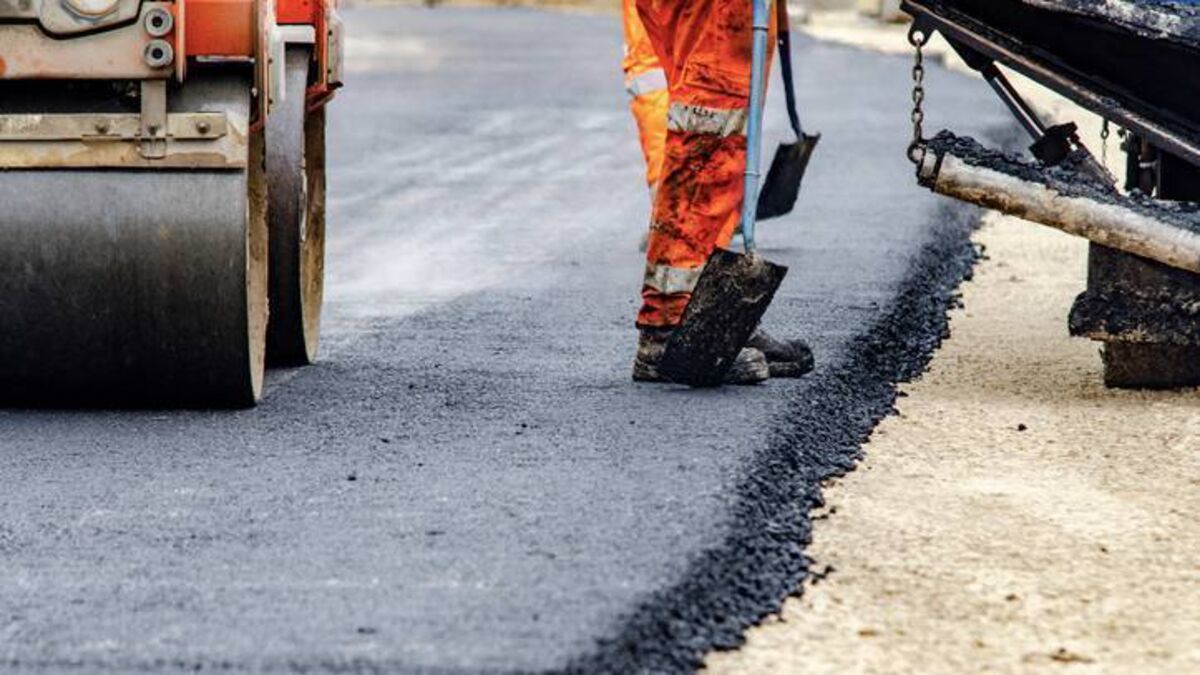
Renewed calls have been made for Roscommon County Council to surface dress set-back areas between homeowners’ walls and the public road. Pic: iStock

Renewed calls have been made for Roscommon County Council to surface dress set-back areas between homeowners’ walls and the public road.

Raising the issue at a meeting of Roscommon County Council, Fianna Fáil councillor, Paschal Fitzmaurice, said there were a lot of homeowners who had given this part of their property over for dedicated use.

Cllr Fitzmaurice believed that when roads were being surface dressed, these setback areas should also be done, which he said did happen a number of years ago.

In a lengthy reply, the council explained that road levels were not typically raised outside residential properties but that in cases where this occurs, accommodation works are agreed with the landowner, and the necessary surfacing and drainage works are completed by the council as part of the road project.

The local authority noted that in rural areas, property owners were often required under planning permission to set back boundary walls to facilitate sightlines, provide pull-in areas, prevent runoff onto the public road, provide adequate drainage, etc.

It outlined that these works were to be constructed to an appropriate standard at the time of development.

“Retrospective resurfacing of these areas-especially where standards were not met would represent a poor use of public funds and could be contrary to their planning permission,” the council said.

The council reply also noted that resurfacing set-back areas would introduce drainage responsibilities for each individual property, which should have been addressed during the original planning and design of the dwelling.

“This would be a considerable burden on the council, in terms of funding and risk (including claims), in some circumstances.

“Extending resurfacing to include all such areas would significantly reduce the funding available for the main carriageway network, which serves the broader public interest. This would compromise the council’s ability to maintain road safety and connectivity across the county,” it said.

*Published as part of the Local Democracy Reporting Scheme.

More in this section