'We Thought He Would Die’: Roscommon man’s wait for emergency ambulance
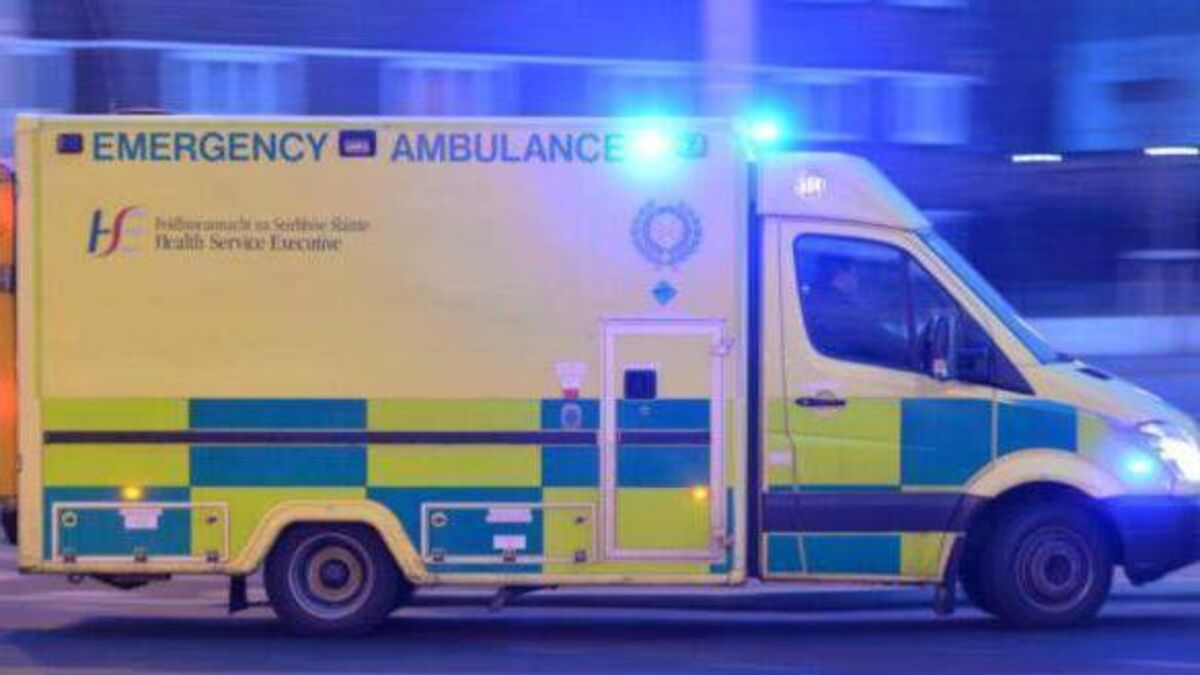
“We thought we were losing him.” Those were the words of David Healy, who watched in disbelief as his 83-year-old father Michael Healy from Knockroe, Castlerea waited more than three agonising hours for an ambulance during what appeared to be a life-threatening medical emergency.
What began as a routine Thursday afternoon in Castlerea, on January 15th quickly descended into a nightmare the family will never forget.
David’s father — a fiercely independent man with no major health concerns — was travelling in the car with his wife, Lily, when she noticed something was terribly wrong. Within minutes, he complained of a sudden, severe pain in his head. Then, shockingly, he lost the ability to speak and became disoriented.
Fearing the worst, David’s mother drove him straight to the local Kelly Henry Medical Centre. What followed was a four hour wait for an ambulance that never seemed to come.
Inside staff and doctors repeatedly phoned emergency services, desperately trying to get help.
“Doctor Greg Kelly stayed after hours and kept ringing and ringing,” David said.
“They kept saying, ‘It’s coming, it’s coming.’ At one stage an ambulance even passed the door on its way to another call.” With symptoms pointing to a potential stroke or bleed on the brain, staff insisted he needed to be transferred by ambulance to hospital — Castlebar, Galway or Sligo, each roughly an hour away. But no explanation was ever given for the extraordinary delay.
“When the ambulance finally arrived, they apologised — but we’ve never been told why it took so long,” David said.
Despite the severity of the incident, David said no local TD has contacted the family.
“No one came to see my mam and dad. If they were looking for votes, they’d be straight to the house. It’s upsetting.” The family now wants answers — and assurances that no one else will suffer the same ordeal.
“Was his age a factor? Was he less of a priority? Castlerea has an ageing population. We should be getting more resources, not fewer,” said David.
David’s father dedicated his career to caring for others as a psychiatric nurse and even campaigned against the closure of Roscommon’s A&E years ago. Yet on the day he needed emergency care most, the system failed him.
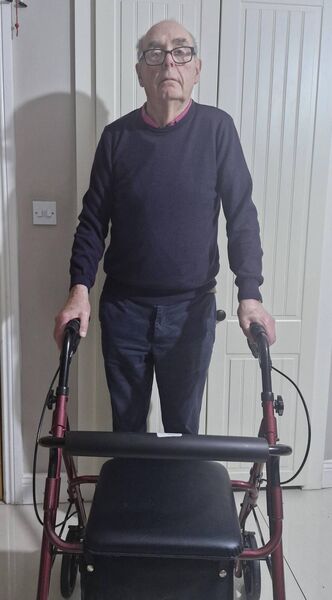
Doctors later confirmed he had bacterial meningitis, and had the wait dragged on any longer, the outcome could have been fatal. He is now home, but faces the daunting task of learning to walk again.
David recalls receiving the call while at work telling him his father had a bleed on the brain. He wanted to drive him to the hospital himself but was warned it was too dangerous.
“They told us he needed to be in an ambulance.” Once he finally reached Castlebar, David says the treatment was excellent — but believes rural Ireland is being left behind.
“If this happened in Dublin or Galway, it wouldn’t be tolerated,” he said.
“The ambulance service needs proper resourcing. Rural communities are being forgotten.” The Healys are speaking out for one reason: to prevent another family from living through the same terror.
“Do they want people to just take the chance and drive to hospital themselves? Is that the advice?” In the hours they waited, the family said their goodbyes, believing they might lose him.
Ambulance response times and the need for greater resources were repeatedly raised at the HSE West Regional Health Forum recently by councillors all over the West and North West.
Between October and January for the West and North West HSE Area, which includes County Roscommon, there were 24,712 calls to the NAS. Of these, 390 were categorised as ‘PURPLE’, meaning they related to life-threatening cardiac or respiratory arrest emergencies, with the remaining categorised as RED, meaning they related to all other emergencies.
The National Ambulance Service (NAS) has a target of meeting 75 per cent of PURPLE calls within 18 minutes 59 seconds. For RED callouts, responding within 18 minutes 59 seconds 45 per cent of the time is the target.
According to figures provided by the NAS to the forum, in October, of the 77 PURPLE callouts, 78 per cent were responded to within the target timeframe. In November, 111 PURPLE callouts were received, with 66 per cent meeting the target. December saw 97 callouts, with 63 per cent meeting the target.
In January, 105 PURPLE callouts were made, with 61 per cent meeting the target.