Alternate US tariffs ‘cannot be ruled out’, Tanaiste warns
By Cillian Sherlock, Press Association
The imposition of further US tariffs through an alternative legal basis “cannot be ruled out”, the Tánaiste has said.
The warning was borne out mere hours later when US President Donald Trump announced a 10 per cent “global tariff” on top of existing measures.
It came after the US Supreme Court ruled that Mr Trump’s sweeping “reciprocal” global tariffs were unconstitutional on Friday.

The ruling, branded “ridiculous” by the president, only applied to tariffs announced last year under the International Emergency Economic Powers Act (IEEPA)
The European Commission has sought “clarity” on the ruling, which could see businesses able to apply for refunds on tariffs paid and examination of investments made in the country on the back of the policy.
The US Treasury had collected more than €133 billion from the tariffs by December.
Many companies have prepared to seek refunds over tariffs paid thus far.
Low tariffs are in everyone’s interests and, at a European level, we will continue to engage with our US counterparts in order to promote measures that work for all
The Supreme Court decision does not affect tariffs introduced under other legal bases, such as “section 232” investigations which examine the impact of imports on US national security.
These relate to several sectors that are of interest to Ireland, including pharmaceuticals, semiconductors, and commercial aircraft, as well as medical devices, robotics, drones, wind turbines, critical minerals, and timber.
There has been concern that the potential financial impact of the Supreme Court decision on the US administration could impact EU-US negotiations over steel and aluminium tariffs – as it attempts to maintain leverage and control on its policy.
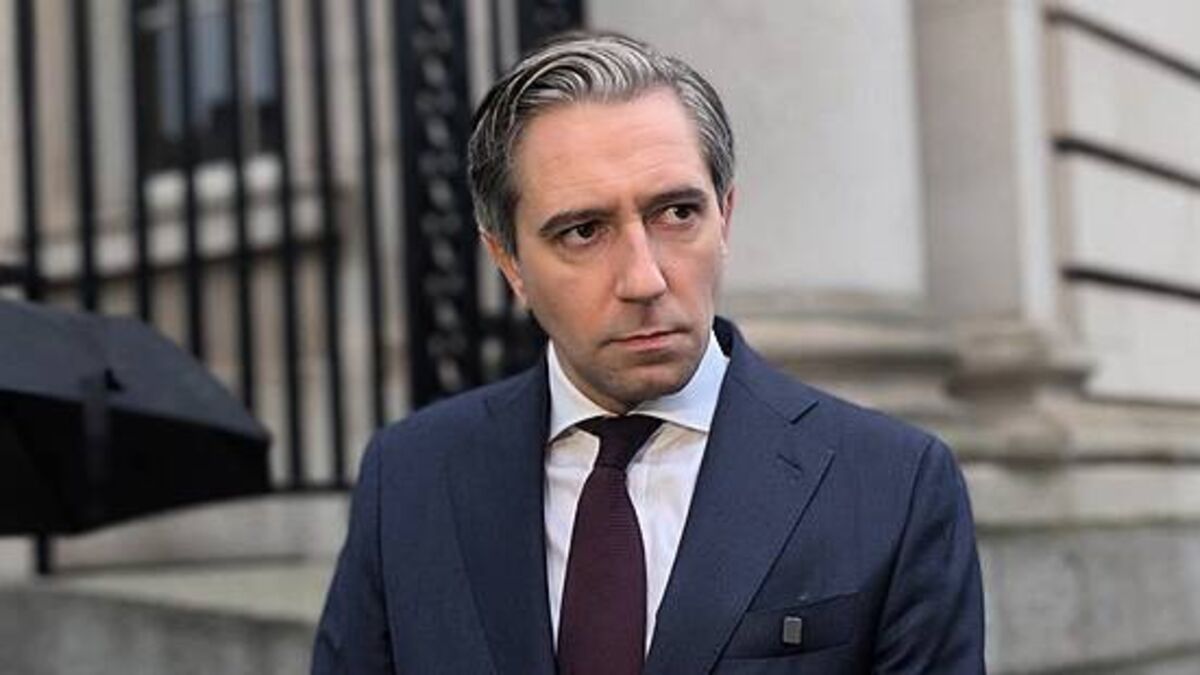
After the Supreme Court ruling, Tánaiste Simon Harris said: “We are – as you would expect – monitoring the situation closely.

“Low tariffs are in everyone’s interests and, at a European level, we will continue to engage with our US counterparts in order to promote measures that work for all.
“Bilateral trade, investment and economic cooperation deliver enormous economic benefits, and we will always work towards that goal.
“We expect the US administration will issue a statement shortly on their response to the ruling.
“Of course, tariffs by some other means, for instance via some alternative legal basis, cannot be ruled out.”
Mr Trump later announced that all national security tariffs – under section 232 and section 301 – remain “in place, and in full force and effect”.
He added that: “Today I will sign an order to impose a 10 per cent global tariff, under Section 122, over and above our normal tariffs already being charged.”
The new tariff uses a different legal mechanism than the one at the centre of the Supreme Court ruling on the IEEPA.
Mr Trump said the administration was also starting other investigations, and claimed that the Supreme Court ruling merely overruled aspects of the IEEPA while confirming that it could be used to restrict trade with a foreign country.
Earlier, Foreign Affairs and Trade Minister Helen McEntee said the court’s ruling was “a significant development in the wider global trading environment”.
She said: “Open, stable and predictable trade remains essential for economic growth, investment and jobs in Ireland.

“I remain in close contact with the European Commission on this issue.
“I understand they are engaging directly with the US administration to seek clarity on how they intend to respond.
“My department will continue to monitor developments closely and assess any potential implications for Irish trade, businesses and jobs.”
EU Commission deputy chief spokesman Olof Gill said the ruling was being analysed “carefully”.
He said: “We remain in close contact with the US administration as we seek clarity on the steps they intend to take in response to this ruling.
“Businesses on both sides of the Atlantic depend on stability and predictability in the trading relationship.
“We therefore continue to advocate for low tariffs and to work towards reducing them.”