Invest in transport to help Ireland withstand global fuel shocks, says council
By Gráinne Ní Aodha, Press Association
Ireland needs to accelerate investment in public transport and EVs to reduce its emissions and its exposure to fossil fuel shocks, the Climate Change Advisory Council has said.
The independent climate advisory body also said that the Government’s emergency measures for fuel price increases were not “sufficiently targeted”, and welcomed the incentive for the purchase of new electric vehicles.
Transport is Ireland’s largest source of energy demand, making up 42 per cent of its energy demand and 22 per cent of national emissions.
In the transport chapter of its Annual Review 2026, published on Wednesday, the council said Ireland must reduce the risk of it exceeding its emissions ceiling by speeding up investment in public transport, active travel, electric vehicle charging infrastructure and the grid capacity needed to support cleaner transport.
It recommended that the Government introduce targeted supports within the transport sector for those most exposed and least able to avoid fuel costs, while maintaining planned carbon tax increases and continuing to ring-fence revenues for climate action.
The Government announced it would postpone an increase in the carbon tax until the Budget in October, at a cost of €22 million, as part of over €750 million in support to help with rising energy costs due to the war in Iran.
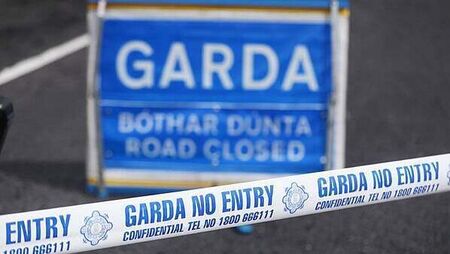
Fuel protests took place in April over rising prices, which saw cities, streets and motorways across Ireland clogged up and blockades of the country's only oil refinery in Co Cork.
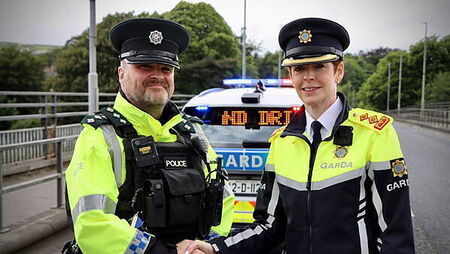
This prompted some panic buying at forecourts, hundreds of which ran dry, and after blockades were lifted in Dublin in a late-night policing operation almost a week after they began, the government unveiled half a million euro worth of measures to help with the rising cost of fuel.
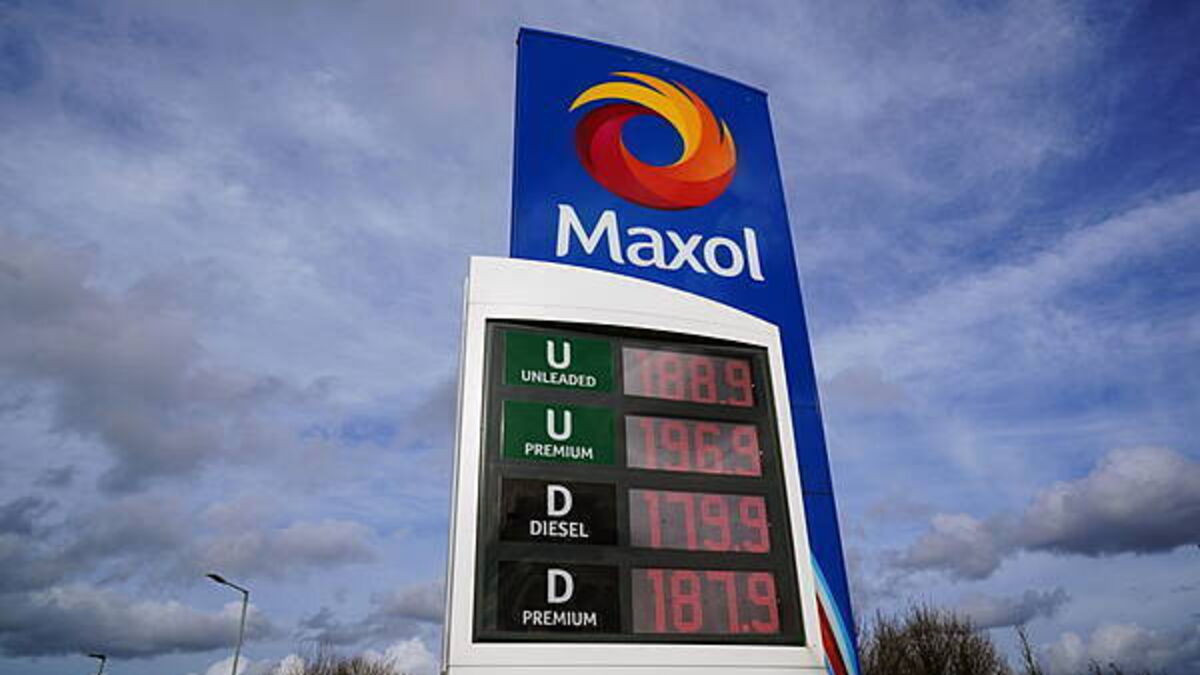
The measures included a reduction in excise duty on petrol, diesel and green diesel until the end of July, and further reducing minimum oil taxes by 10 cent per litre on petrol, 10 cent per litre on diesel, and 2.4 cent per litre on green diesel.
“Fossil fuel shocks are not one-off events,” said chairperson of the Climate Change Advisory Council Alex White.
“As long as Ireland remains heavily dependent on petrol and diesel for transport, people, businesses and public services will remain exposed to global price volatility and geopolitical crises.
“The way to reduce that exposure is to give people real alternatives.
“That means sustained investment in public transport, a charging network people can rely on, and the grid capacity needed to support the switch to electric across cars, buses and commercial fleets.
“This transition also has to be fair. Supports should be targeted at those most exposed to transport fuel costs, particularly people on lower incomes and those who are car-dependent because they do not have access to practical alternatives.
“The Government has set the right ambition to end Ireland’s reliance on fossil fuels; the test now is delivery.”
The Council also warned that Ireland’s transport network must be made more resilient to extreme weather.
It said Storm Chandra and prolonged rainfall in early 2026 exposed the vulnerability of road and rail infrastructure, underlining the need for climate risk to be built into transport planning, investment and design standards.
The council is also calling for the updated National Ports Policy to be finalised and published, for greater investment in climate-resilient regional and local roads, and for vulnerable sections of the rail network to be assessed and climate-proofed.
It also called for targeted measures to increase EV uptake among lower-income households, particularly in areas with limited access to public transport and high car dependency.
The acceleration of the expansion of EV charging infrastructure, including the real time mapping of EV charging points to give people and businesses confidence in the alternatives to fossil fuel use, was also recommended.
Publicly accessible charging infrastructure in Ireland remains well below the EU average.