Herald Opinion: Tradition is important, but affordability wins
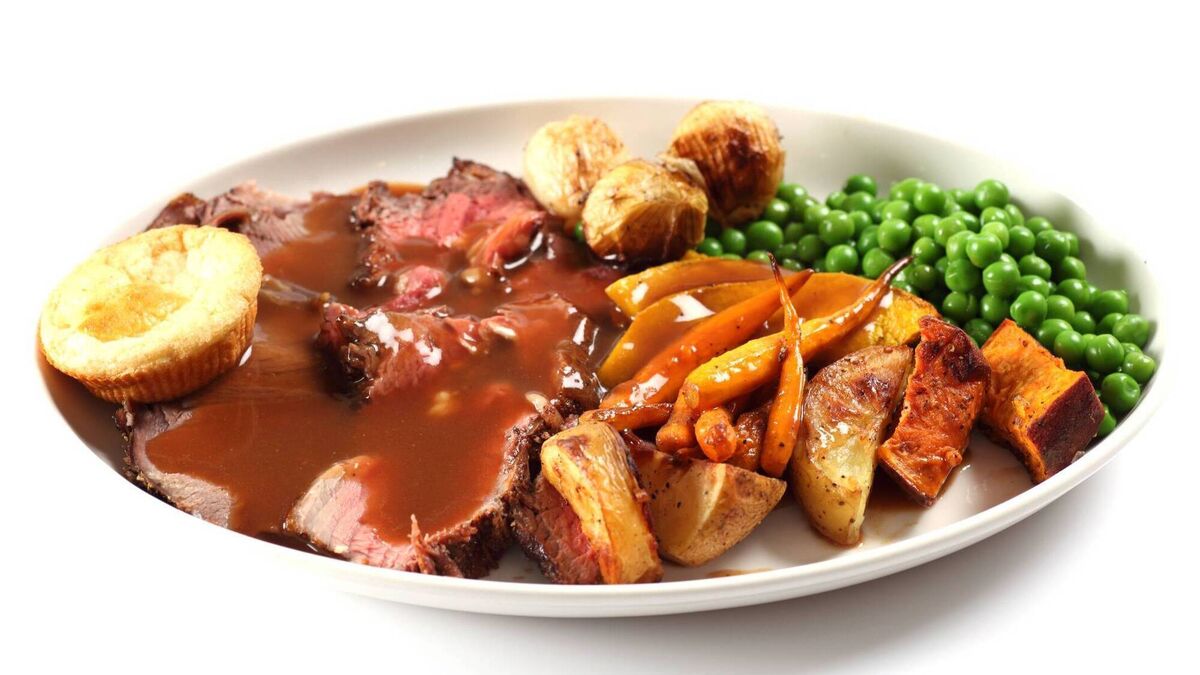
The smell of a roast drifting through the house from mid-morning was once as much a part of Sunday as Mass, football or the Angelus. Pic: iStock
I was at a wedding about 15 years ago where no meat was served — a fully vegetarian reception — and do you know what? It wasn’t bad at all. Still, I’m a traditionalist at heart. I like a bit of meat. I don’t much care whether it ran through a field, flapped its wings or swam in the sea; if it lived, I’ll probably eat it. And like many people, I also enjoy the newer additions to the Irish menu. Falafel, gyros, sushi, poke bowls — I’ll try anything once.
There was a time in Ireland when Sunday dinner required no debate. You knew what was coming before you even got out of bed. The smell of a roast drifting through the house from mid-morning was as much a part of Sunday as Mass, football or the Angelus. Beef, lamb, chicken, potatoes, vegetables and gravy sat at the centre of family life for generations. The good plates came out of the press. Somebody checked the roast every twenty minutes. For an hour or two the kitchen table became the centre of the world. But now the Sunday roast seems to be slowly drifting into luxury territory.
An interview I read this week with Mayo butcher Seán Kelly painted a picture many households will recognise. Legs of lamb that once sold every weekend now rarely leave the shop. Roast beef sales are down too. The reason is simple: people are watching every euro. Lamb prices have climbed sharply in recent years, and beef hasn’t been far behind. In fact, almost every other household cost has risen alongside them.
So families are turning towards chicken and quicker, cheaper meals that fit tight budgets and busy schedules. The traditional Sunday sit-down, once almost sacred, is giving way to food that can be thrown into an oven or air fryer between matches, shopping trips and the general rush of modern weekends. The deli counter and takeaway have become part of Sunday life too, something that would once have seemed nearly unthinkable in many Irish homes.
That shift might seem harmless, but in counties like Roscommon the alarm bells should probably be ringing. Roscommon farmers produce a huge amount of sheep and lamb. They’re not breeding them simply to admire them hopping around fields in springtime, no matter how picturesque the advertisements might look. And they are certainly not doing it for the wool, because wool today is nearly worth more on the sheep’s back than off it.
If demand for legs of lamb continues to fall, the value of sheep and lamb will inevitably slide too. And that matters far beyond the farm gate. Farming still drives huge parts of rural life. The mart, the machinery dealer, the local shop, the pub, the GAA club fundraiser — all depend in some way on a healthy farming economy. We often talk about supporting local business, but sometimes forget that farming remains one of the biggest local businesses of all.
Yet it is hard to blame families. A leg of lamb now costs enough to make anyone pause at the butcher’s counter. When you are juggling a mortgage, electricity, insurance and all the other bills steadily creeping upwards, the cheaper tray of chicken fillets becomes the obvious choice. Tradition is important, but affordability usually wins the argument at the checkout.
Maybe what we are witnessing is not the disappearance of the roast dinner but the reshaping of Irish life itself. Families are busier. Working hours have changed. Children have matches and activities at every imaginable hour of the weekend. The idea of everyone sitting around the table at one o’clock sharp simply no longer fits many households.
Still, there remains something comforting — almost grounding — about a proper roast dinner. The smell of gravy on the hob. The sound of someone carving meat in the kitchen. The debate over whether the roast potatoes were ruined or perfected. It was never really just about food. It was about slowing the pace of the week and gathering together for a while.
And perhaps that is what is really at stake if the roast fades away — not simply lamb or beef, but the ritual around them. That pause. That certainty. The feeling that, no matter what was happening outside the front door, everyone would gather around the same table for a short while.
Maybe that is why, every so often, despite the cost and despite the pace of modern life, somebody still wakes on a Sunday morning and says:
“Ah sure, we’ll have the roast today.”