Taoiseach accepts communication ‘issues’ with rare drugs reimbursement process
By Gráinne Ní Aodha, Press Association
There are communication issues with the process to decide whether to approve the reimbursement of drugs for rare conditions, the Taoiseach has said.
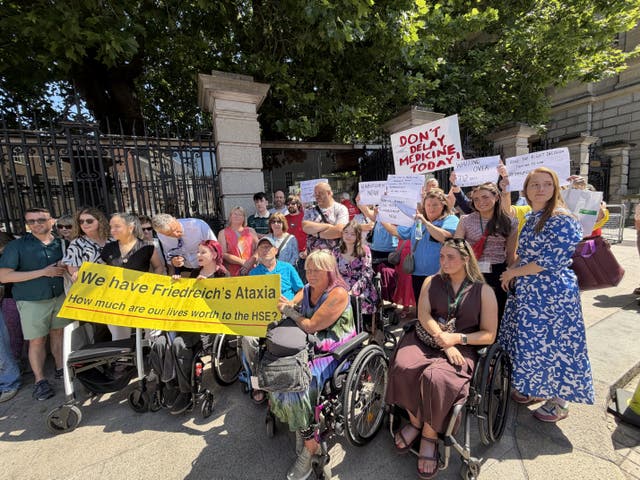
It comes after a protest was held outside Leinster House on Tuesday by people with the rare neurological condition Friedreich’s Ataxia.
They had called for the HSE to make the drug Skyclarys available for reimbursement to patients in Ireland.
The HSE Drugs Group did not recommend Skyclarys at a meeting on Tuesday and instead referred it to an expert committee made up of consultants and patient representatives.
The HSE said it was aiming to conclude the process in one month, subject to the availability of clinicians.
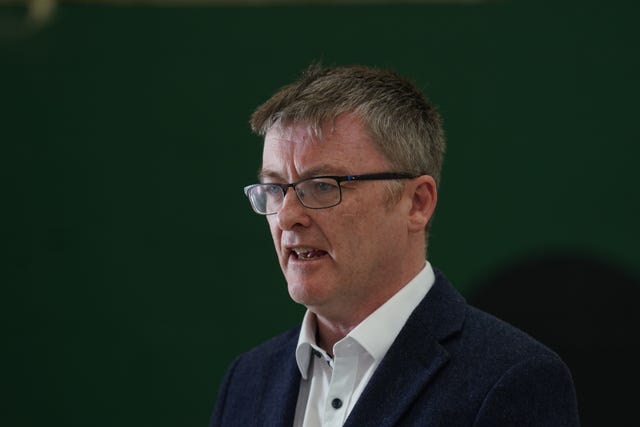
Sinn Féin health spokesperson David Cullinane said the delay was “unbearable” for patients, who he said should have been “treated with respect” and should have been “properly communicated with” by the HSE.
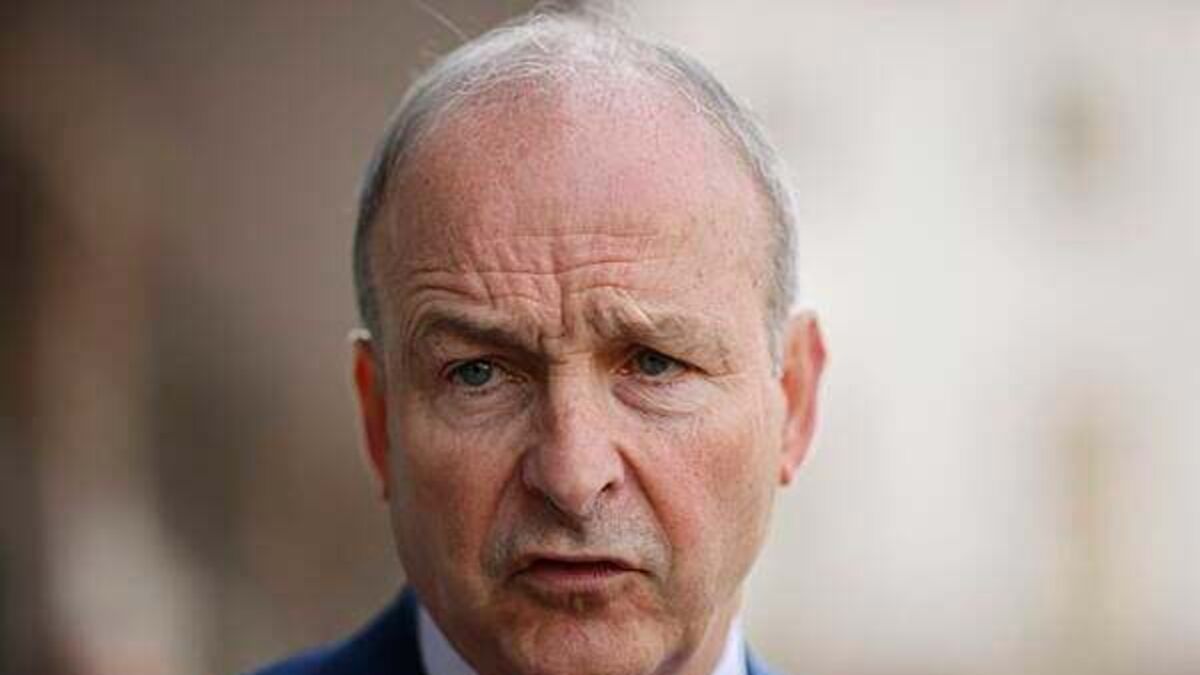
Taoiseach Micheál Martin accepted it was a matter of “urgency” for those with the condition and said it was “extremely worrying” for them.
He said the company sent a commercial proposal on May 27th, and he believed the company had been “slow” over the last two years in responding to the HSE.
“It went through a lot of interactions before that, which could have been quicker, in my view, on the part of the company,” he told the Dáil during Leaders’ Questions on Wednesday.
He said a health technology assessment published in December 2025 was “not that strong” in its assessment of Skycarys.
He said there were “issues” with how such decisions are communicated but said that it was a scientific, not a political process, which must be protected.
“There are issues in terms of how this gets communicated; I accept that, but also up to now, since the 2013 Act, there hasn’t been a practice whereby there’s a sort of a political parallel operation, if you like, whilst this group is meeting monthly.”
He added: “I think that we need to work around the communication of all of that. These are scientists and people with expert knowledge – they’re not politicians – who meet to assess drugs.
“So we have to protect that process too, in terms of their assessment of the efficacy of drugs and so forth in relation to conditions.
“But I think we all accept that ultimately there has to be a science perspective on this.”
He said that many drugs “have an evolutionary process” and can get better as they are refined and improved upon.
Seventy rare disease drugs have been approved for reimbursement in the four years since 2021, with 26 drugs for rare diseases approved this year alone.
On Tuesday, Emily Felix, 28, a trainee solicitor from Co Kilkenny, urged the HSE to look past price or politics and make an “ethical decision”.
I hope the HSE and the Government will think past cost and think past political decisions and precedents and strategies and protocols and all that, and actually look at the lives, our real lives, and realise that we and the people we love deserve this treatment
She was 12 when she was diagnosed with Friedreich’s Ataxia, which causes irreversible loss of mobility, co-ordination and speech.
The treatment was approved by the European Medicines Agency in February 2024 and has been made available to patients in other European countries, but it is not available to around 200 patients in Ireland.
Ms Felix said they are not suggesting the treatment is “a miracle pill” or a cure.
“We are not going to regain any of the abilities we’ve lost, but it will give us time, and time when you’re dealing with our progressive, relentless disease, time is everything,” she said.
“We all want, and we all deserve time with our loved ones.”
She said: “I just hope the HSE and the Government will think past cost and think past political decisions and precedents and strategies and protocols and all that, and actually look at the lives, our real lives, and realise that the people we love and we deserve this treatment.”