‘Bizarre’ for Israel to use Ireland as home country for bonds, Central Bank says
By Cillian Sherlock, Press Association
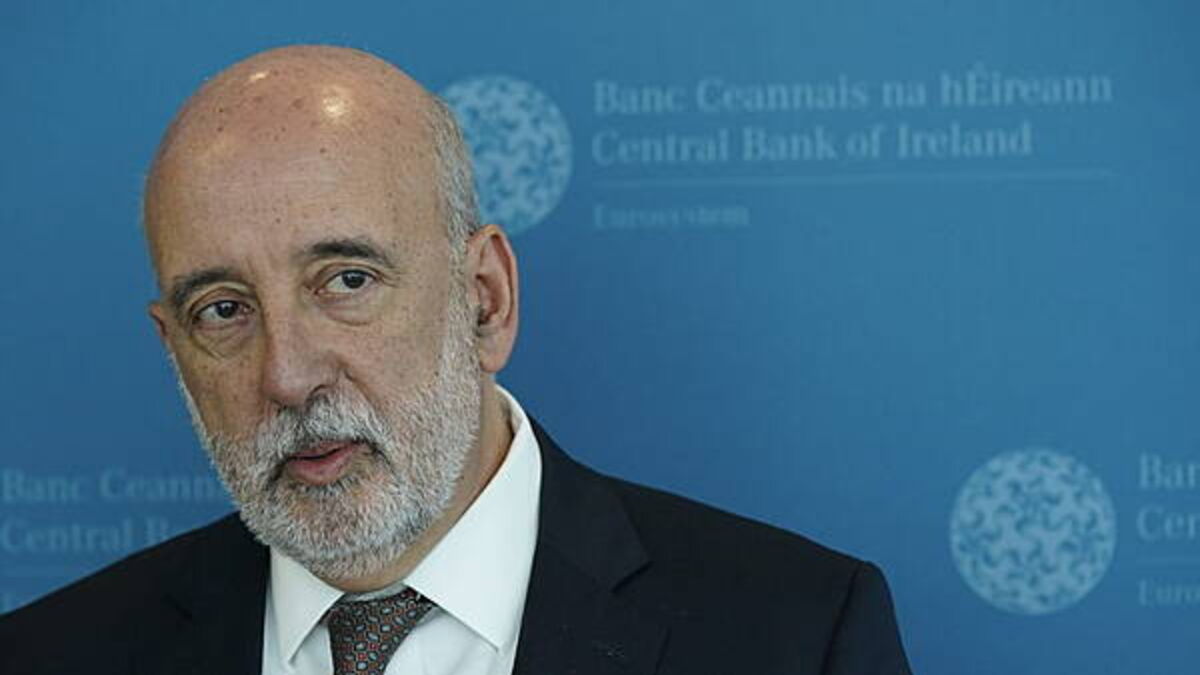
It is “sort of bizarre” for Israel to have Ireland as the home state for its bonds in the EU, the Governor of the Central Bank said, noting they are not marketed in the country “at all”.
However, Governor Gabriel Makhlouf said the EU would need to update its regulations for that to change – as he committed to continuing to “follow the law” when carrying out its duties in relation to the bonds.
He indicated the Central Bank may again have a role in approving Israel bonds upon their potential renewal in September or in moving that process to another country – similar to what happened last year.

He said the authority is keeping its compliance with international law in handling prospectuses for Israel bonds “under review”, but added it was in “no doubt” that it complied with its obligations thus far.
Makhlouf also told the Oireachtas Finance Committee on Wednesday that Tánaiste Simon Harris had written to the European Commission on potential changes to EU prospectus regulations.
Israel bonds have been advertised as supporting the country’s economy and websites promoting the securities have emphasised their role in supporting Israel’s military operations in Gaza.
The Central Bank of Ireland, which Israel previously chose as its the designated authority in relation to the sale of its bonds in the EU, faced criticism in recent years after determining the securities meet the standards of the bloc’s prospectus regulations.
Protesters and opposition politicians have said approving the bonds is tantamount to complicity with genocide of Palestinian people.
The Central Bank had said EU regulations require that it approves prospectuses that meet standards of completeness, consistency and comprehensibility.

Last year, the approval of the securities was moved to Luxembourg – but Ireland remains the home authority and the bonds are potentially up for renewal in September.
A protest was held outside Leinster House in advance of the committee session, with demonstrators from the Ireland-Palestine Solidarity Campaign accusing the Central Bank of “off-shoring” its responsibility.
The activists want the Central Bank to have no role whatsoever in the approval of the securities.
Asked about obligations under the Genocide Convention, Makhlouf said he believes what is happening in Gaza “is awful and horrific and appalling”, but told legislators that “genocide is a legal term where the International Court of Justice has jurisdiction over”.
He said proceedings at the International Court of Justice and the International Criminal Court were ongoing, but added: “There is no decision that’s been made on these cases.”
On the upcoming potential renewal in September, Makhlouf offered the committee members four potential scenarios which the Central Bank faced in general.
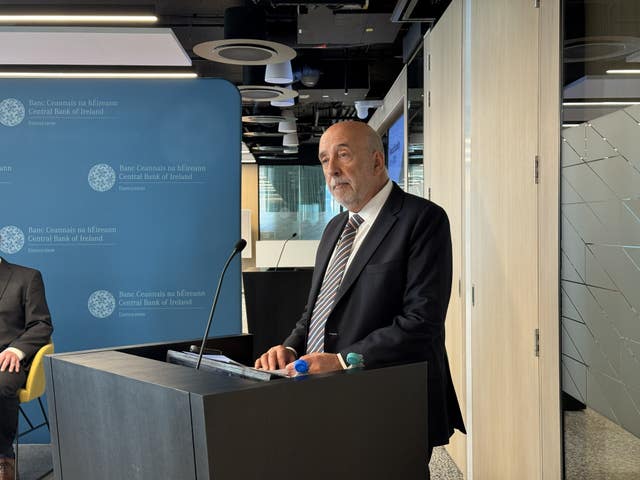
He said Israel could firstly decide not to issue any more bonds or it could decide to issue bonds of a value above €1,000 – which would allow it to seek approval in any EU jurisdiction it wants without asking the Central Bank of Ireland.
The other two scenarios involve Israel either asking the Central Bank to approve the prospectus or asking it again to transfer the approval process.
He said: “If they ask us – as happened last year – to approve a transfer to another jurisdiction, the only decision we have to make is on the transfer, not on the prospectus itself – that’s a decision taken by whoever it goes to.”
Makhlouf said if Israel decides to issue securities of below €1,000 “then they’re going to come to us”.
He said if this happened, the Central Bank will “do what we did in 2024” which was to examine whether the prospectus met requirements.
He added: “We would be making sure that the prospectus has that information, and you know if it does, then we will approve it.
“And if it doesn’t, we will carry on having a conversation with the issuer until they either decide to include the information or they may decide then to just give up.”