No consultant child psychiatrist working full-time in Kerry, HSE says
Vivienne Clarke
The Mental Health Reform Commission has said that it was time for measures to be taken by the HSE to reinstate confidence in services such as Camhs.
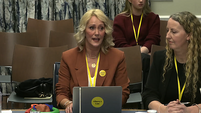
The Commission’s Policy & Research Manager, Dr Louise Rooney, told RTÉ radio’s Morning Ireland that the report into Camhs services in Kerry, which was released this week, was shocking and highlighted the challenges facing the mental health system.
Parents would be bringing their children to Camhs appointments today, and they deserved to feel confident in the service they were accessing, she added.
"Confidence needed to be rebuilt in Camhs."
Dr Rooney explained that the Mental Health Reform Commission was calling for three changes: first, the appointment of a mental health lead in the HSE; second, the inclusion of the statutory right to independent advocacy in the new Mental Health Bill currently being debated in the Seanad; third, an independent complaints mechanism.
There had been a mental health lead previously in the HSE, she said. There was a need to strengthen the overview of the service and for greater accountability.
The statutory right to independent advocacy was important, she said, as at present parents were not being informed of the side effects of the medications being prescribed to their children, and the children felt “they were not being listened to.”
With regard to the need for an independent complaints mechanism, she said that the current complaints system was not independent.
People were essentially complaining about the HSE to the HSE. Complaints also needed to be examined in a robust manner, she said.
Apology
The national clinical lead for youth mental health, Dr Amanda Burke, has issued an apology from the HSE to the families involved in the review into failures in the Camhs service in North Kerry.
Speaking on RTÉ radio’s Morning Ireland, Dr Burke said she and the HSE were “really sorry” that the standard of care had been "not what anyone should ever have experienced".
The HSE was committed to a significant programme of change, including increased oversight and accountability.
“Clearly there was a failure of oversight.”
Once the failures had been identified, moves were made to ensure greater oversight and the safety of patients within the Camhs service. The standard of care was not acceptable.
“It is difficult to understand how this happened.”
Processes were not followed through. Recruitment and retention were a significant challenge, not just in Ireland, but internationally, especially in rural areas, she said.
Dr Burke said there was no full-time consultant in North Kerry at present, when a report had said there should be four. However, she said there were arrangements in place with “more than four” consultants to provide services.
“We are really sorry for the standard of care.”
An audit system was now in place to ensure that what happened before would not happen again, she added. There was also now a “robust clinical governance structure” in place.
For families or patients whose cases were not included in the recent review, there was the option to request their case file and to ask for it to be reviewed, she said.
Dr Burke said that the report had issued 61 recommendations which the HSE intended to implement. The HSE could only hold up its hands and put in a robust system to address the deficiencies and ensure accountability.