Toxic plant spotted on several beaches along east coast as further warning issued
Sarah Slater
The highly toxic plant hemlock has washed up on more beaches along the east coast as a result of recent storms.
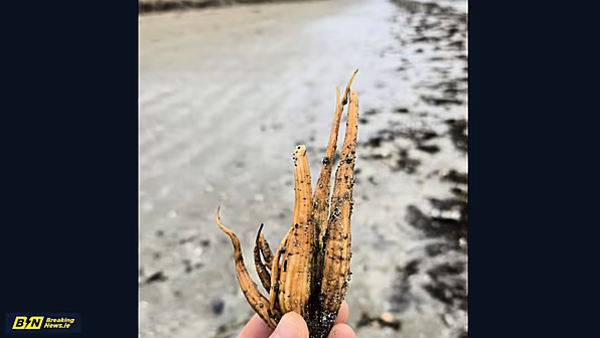
The deadly plant, also known as water dropwort and Dead Man’s fingers, is considered one of the most poisonous plants in Ireland and the UK, and has now been spotted at Brittas Bay in Co Wicklow, Bettystown and Laytown in Co Meath.
The plant was initially spotted along Dollymount Beach on Bull Island in Dublin, but now, according to Fingal County Council, it has also washed up along Malahide beach.
The north Dublin council said that very wet and windy weather can unearth them, leading them to fall into the water systems they grow alongside and end up washed up on shorelines.
The plants' roots look similar to parsnips or celery and even brushing against this plant can cause skin irritation and are highly dangerous if ingested. It can be fatal to humans and animals, causing death in just hours after attacking the nervous system and resulting in the body shutting down.
While it usually kills due to ingestion, it can be fatal if touched by a person with an open wound and can cause convulsions.
Wicklow County Council is urging members of the public to take precautions and to keep dogs on leads near damp ground and dune slacks where the plant tends to be found.
The council is also warning the public not to touch or dig up the plant, and to discourage children from handling any unknown plants.
Meath County Council added that the public should not “touch anything that looks like a parsnipâshaped root washed up on the beach. Keep pets and little ones close. If you spot something unusual, let (the) council know.
"With recent high tides, winds, and swollen rivers, it’s likely these plants were uprooted from their usual habitats along the banks of our waterways and shoreline, so please stay alert on your coastal walks.
"Please continue to enjoy our beaches but stay safe and stay aware.”