EU presidency preparations ‘entering final phases’
By Cillian Sherlock, Press Association
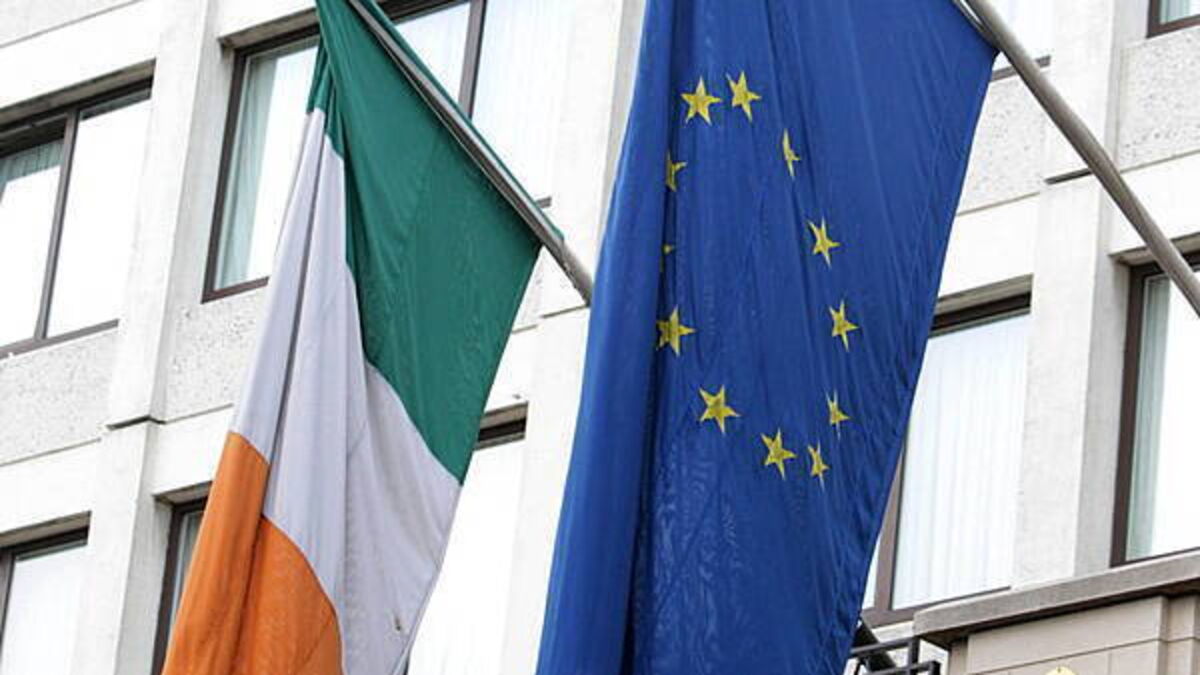
Preparations for Ireland’s EU presidency are “entering their final phases”, the Foreign Affairs Minister has said.
Ireland will host hundreds of EU meetings when it takes over the presidency of the Council of the EU between July and the end of the year, making it responsible for planning and chairing council meetings and negotiations – as well as representing the council in discussions with the European Parliament and European Commission.
Developing positive EU-UK relations is considered to be an important part of the presidency for Irish officials, it is understood.
Senior figures in the Government and Northern Ireland’s Executive have put the presidency forward as a chance to advance EU-UK relations, as well as an opportunity for “pragmatic engagement” on issues affecting Northern Ireland.
There has been ongoing planning for a second EU-UK summit, following the first such meeting in May last year.
Officials have been working towards new agreements on sanitary and phytosanitary arrangements, electricity trading and emissions trading as well as increased mobility of young people between the UK and EU, it is understood.
The summit – which will be at an institutional level above the presidency – may still fall in the early part of Ireland’s term.
There will be approximately 30,000 delegates coming to Ireland over the six-month period, with meetings actually taking place over four-and-a-half months when the breaks over August and the Christmas period are excluded.
EU leaders agreed a very ambitious agenda for the coming months
It will see Irish ministers chair meetings of the Council of the EU, drive forward the bloc’s legislative and policy agendas, and host a range of high-level meetings across the country.
Departmental officials are also finalising Ireland’s policy priorities, following engagement with European partners.
The priorities are to be published in June but are broadly based around competitiveness, values and security.
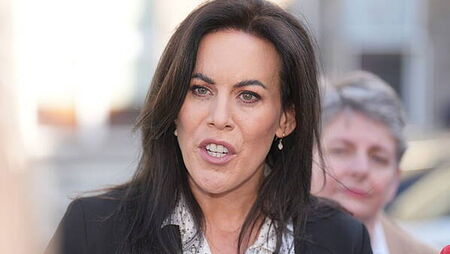
Foreign Affairs and Trade Minister Helen McEntee said on Tuesday: “Ireland’s EU presidency comes at an important moment for Europe.
“EU leaders agreed a very ambitious agenda for the coming months at their meeting in Cyprus at the end of April, particularly in relation to measures to enhance Europe’s competitiveness and strengthen the single market.”
She added: “In recent months, I have been engaging with companies and industry representatives on the shared opportunities and challenges facing Europe’s economy.
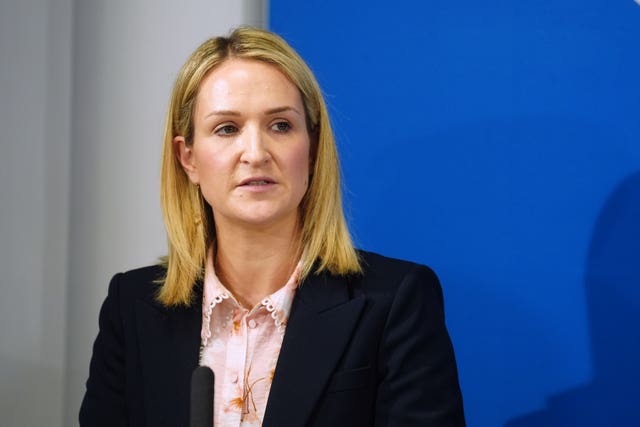
“There is a clear ambition across Europe to create the conditions for businesses to grow, innovate and compete, while also strengthening economic resilience and deepening co-operation across the single market.”
As part of the presidency, Ireland will host 22 informal ministerial meetings alongside a summit meeting of the European Political Community and an informal meeting of the European Council.
Six of the meetings will take place outside Dublin – in Cork, Kerry, Limerick, Mayo and Wicklow.
The busiest period will see 49 heads of state and government in Dublin for the European Political Community Summit – expected to be the largest event of its kind in Ireland – and an informal European Council on back-to-back days in November.
Security considerations will be heightened around Dublin Castle, which is to serve as the principal venue for the presidency meetings programme.
The presidency will also see difficult negotiations on the EU’s multiannual financial framework, where there are concerns that political developments across member states may mean the bloc’s budget is not agreed by the end of the year.
The full programme involves 280 official presidency meetings in Ireland and up to 150 “associated meetings”.
It is acknowledged that this will be a significant logistical challenge but is also seen as an opportunity to showcase the country.