Call to use excess dairy plant water to power data centre

Cllr Frain hoped that the proposal would find its way into the council’s climate action report
Call to use excess dairy plant water to power data centre

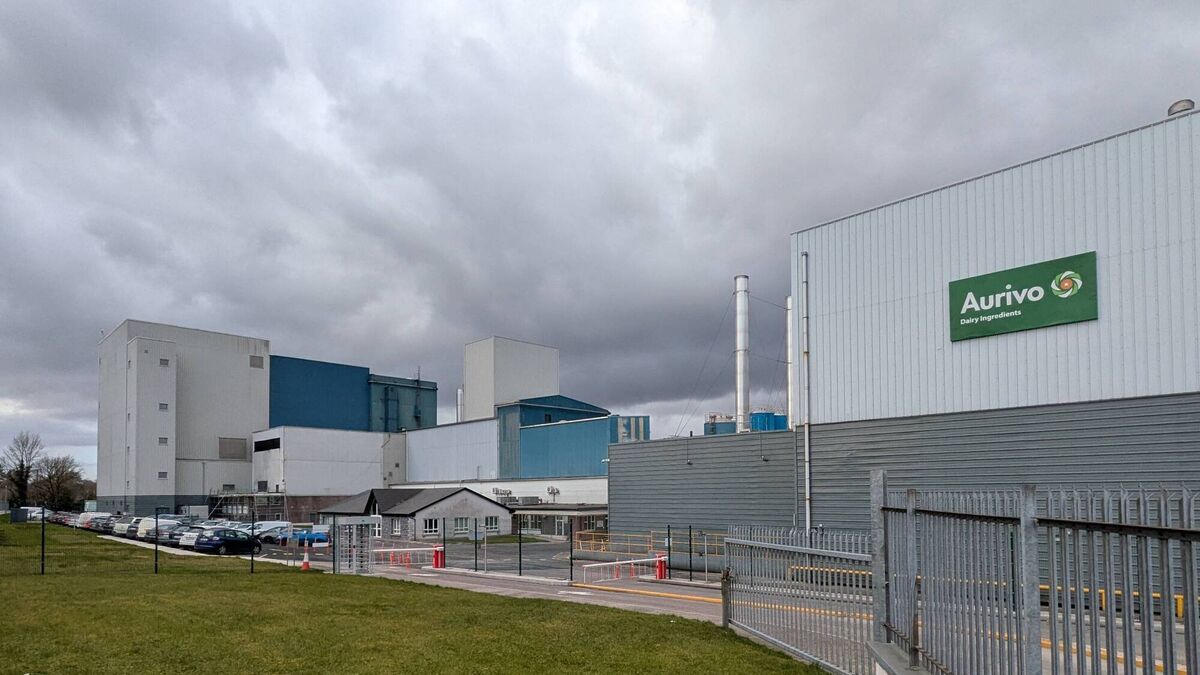
Cllr Micheal Frain believes that  excess water from the Aurivo Dairy Ingredients plant in Ballaghaderreen could help power a data centre. Pic: Liam Reynolds

A proposal to explore the development of a data centre in Ballaghaderreen is being put forward by a local councillor, with excess water from the Aurivo Dairy Ingredients plant identified as a potential power source.

In a motion tabled at a council meeting last year, Cllr Micheál Frain had outlined that data storage facilities were a “huge draw” on electricity and that as an alternative power source, renewable energy sources, such as hydro and excess water from local industry, could help reduce demand on the grid.

Speaking at the April plenary meeting of Roscommon County Council, the Independent councillor pointed out that the dairy ingredients plant was pumping millions of gallons of water every week into a river.

“I know there is a lot of bad press about data storage facilities. The fact of the matter is that on one side of the road we have a dairy ingredients plant pumping millions of gallons into a river and on the other side of the road, we have an industrial park with room for expansion.

“I think it would be a huge opportunity to harness excess water from a dairy plant for a data storage facility in keeping with the nature of industrial development in the region.

“It would be less of a draw on the grid, and it would be carbon neutral. It could be something we could look at as regards a template for anywhere in the country,” he said.

Cllr Frain hoped that the proposal would find its way into the council’s climate action report. “I’m hoping that the IDA on the next visit next month will look at this,” he said. During his contribution, the councillor said that a 2017 Western Development Commission study assessed the feasibility of using heat from this excess water for what he described as essentially “a bigger district heating system”.

*Published as part of the Local Democracy Reporting Scheme.

More in this section