Plans for IPAS accommodation in Roscommon rejected
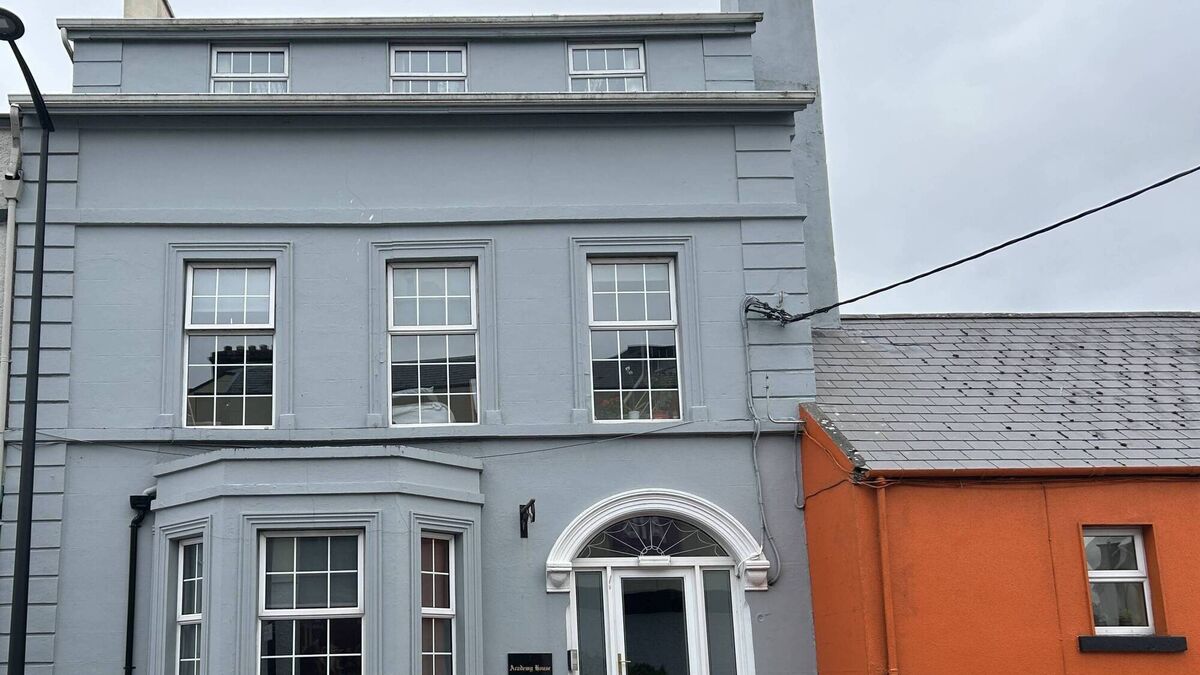
Permission was sought to avail of a 'Class 20F Exemption' to accommodate people seeking international protection at Academy House, Goff Street, Roscommon Town.
An Coimisiún Pleanála has rejected an appeal for IPAS accommodation in Roscommon Town.
According to the commission's inspector's report on the controversial planning application, the maximum occupancy for the development would be 17 people with eight bedrooms within the property.
Lodged with the planning regulator, on April 14th, 2025, the applicant was seeking permission to avail of a 'Class 20F Exemption' to accommodate people seeking international protection at Academy House, Goff Street.
This exemption allows the temporary use of certain structures for accommodating or supporting persons seeking international protection. In July last, the Department of Justice, Home Affairs and Migration said that it was not considering the offer for accommodation in the county town. Roscommon County Council also turned down the planning application.
The planning regulator dismissed the appeal in a decision dated Friday, May 29th.
In its submission to An Coimisiún Pleanála, the applicant said that the IPAS accommodation would have a duty manager and 24/7 security on the property, and that there would also be an extensive CCTV system fitted throughout the property. The applicant also said Academy House has been used since early 2023 to accommodate Ukrainian nationals.
A number of submissions were made on the development, including from Deputy Michael Fitzmaurice.
According to the report, the Independent Ireland TD opposed the development as the county had taken its fair share of applicants and that there was a long list of local homelessness. He also said an IPAS centre would be detrimental to the town.
Other submissions said that public services, including health care provision, in the area were overloaded, that there was inadequate public consultation, and that the building itself was not suitable.