Prime Time investigation to examine scale of farm theft
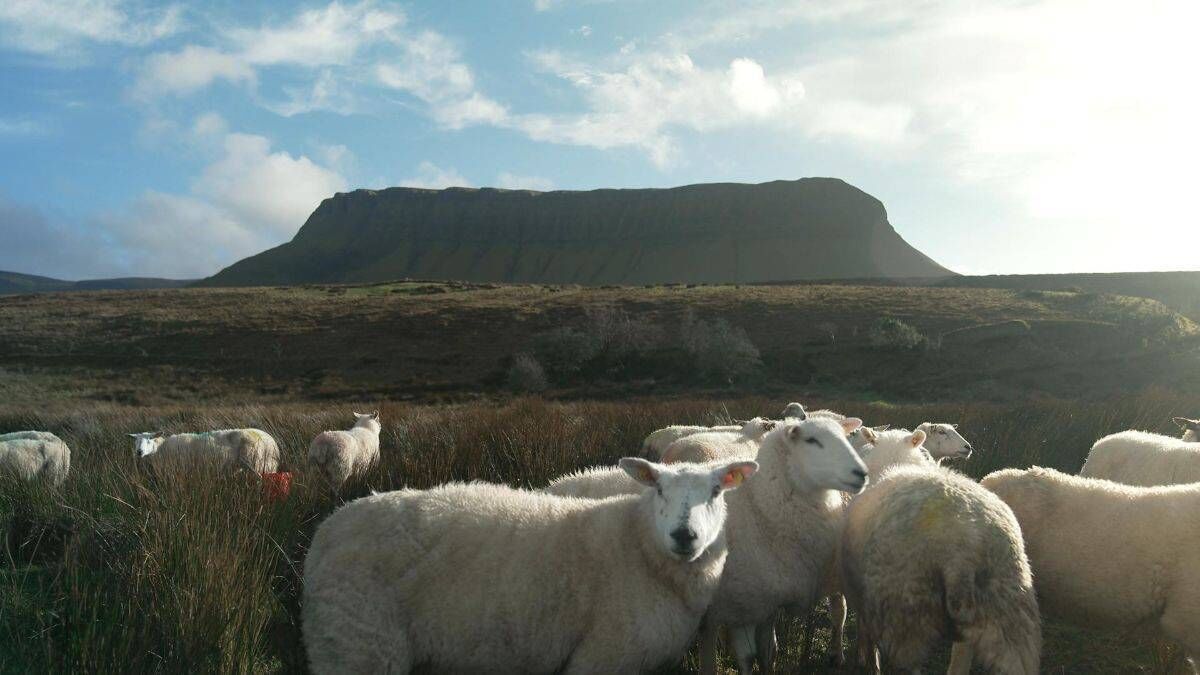
In response to a surge in livestock and machinery robberies, some farmers have begun using drones to detect intruders on their land.
An in-depth investigation into farm theft, which will be aired on Thursday evening, has uncovered CCTV footage and evidence showing machinery and livestock being stolen from farms across Ireland.
Some of the stolen property is transported to Eastern Europe, while other items are sold at markets around the country.
As criminals increasingly target rural communities, farmers are fighting back by investing in GPS technology and tracker devices to monitor sheep, cattle, machinery, and tools. The rise in theft has left many in the agricultural sector worried about financial losses and personal safety.
In response to a surge in livestock and machinery robberies, some farmers have begun using drones to detect intruders on their land. examines where stolen machinery ends up and what can be done to curb this growing problem.
Jimmy O’Donnell, a farmer from Limerick, described the emotional and financial impact.
“If you steal stock, you're not just stealing an animal. You're stealing six months, 12 months, two years of work. It's a huge investment. It’s an enormous blow for the farmer — it’s soul-destroying,” he said.
“We live for our animals. We live with them. They live with us. They're part of the family. But the idea of someone coming in, stealing them and probably illegally butchering them is barbaric,” he added.
The programme also hears from farmers in Mayo, Meath, Limerick and Sligo. Many believe intruders often enter farmland under the guise of hunting, using the opportunity to scout the area before returning later to carry out thefts.
With lambing season — running from February to April — now in full swing, sheep farmers are urged to stay vigilant.
Sligo farmer Aidan Sheerin, who had 14 sheep stolen in the middle of the night from a locked shed, told reporter Conor McMorrow: “I was physically nearly sick when it happened. The traceability with sheep is practically nil — even with a tag, you can cut it out in seconds.”
Many in the agri-sector believe livestock and machinery theft is under-reported. Mr. Sheerin noted that few farmers he knows have escaped theft:
“Most don’t report them. It’s pointless — what can the guards do? Once these guys get away and into a shed, they replace the tags with their own.”
Security experts say greater awareness and improved preventative measures are urgently required.
“We need to move away from the days where a gate is secured with baling twine,” remarked Retired Garda Detective Pat Shannon.
Superintendent Michael Corbett, An Garda Síochána’s first dedicated rural crime lead, added: “Criminals rely on speed, darkness and opportunity. Technology can eliminate all three if used properly.”
Over the last four years, An Garda Síochána has recorded 324 incidents of livestock theft. In 2024, there were 70 reported cases, rising to 91 last year.
With meat prices at an all-time high, the value of livestock has increased significantly — a factor believed to be driving the surge in thefts, many carried out under cover of darkness. CCTV footage obtained by shows intruders stealing quad bikes and heavier machinery at night.
To protect their property, farmers are increasingly turning to cameras, trackers and drones. While some stolen goods are sold at markets or on online platforms, machinery is often illegally exported in shipping containers.
Watch the full report on , February 19th, at 9.35 p.m. on RTÉ One and RTÉ Player, and read the full digital report on RTÉ.ie/primetime.