Herald Opinion: Could fuel rationing yet come into the conversation?
Is an electric car the way to go?
I don’t want to be one of those people constantly going on about energy and the cost of it; we’ve all heard enough of that. After all, the Government has stepped in and returned some of our own money so that petrol and diesel might come down by 15 and 20 cents respectively. Only, it doesn’t quite feel like it has worked—certainly not judging by the signs outside the petrol stations I’ve passed over the past week.
It got me thinking about what might be around the corner. There is a real possibility that fuel rationing could yet come into the conversation. Government has been examining the options, and I suspect people are beginning to look more closely at their own situation. The loss of chimneys from many newer houses is, for some, a quiet source of anxiety. There’s no fallback now when things get tight.
Of course, there are solar panels appearing on more and more roofs. Many homes now have inverters and batteries, storing the power they generate. Night-rate electricity remains relatively cheap, and you hear of people charging batteries overnight to use that energy during the day—or even selling it back to the grid. A friend of mine has a great expression: “there’s a fiddle in everything except a brass band.” You can’t help but wonder if this might be the latest version of it.
While this energy situation is only beginning to unfold, it shines a light on underlying issues here in Ireland. For a start, we are operating an electricity network that is, at times, uncomfortably close to its limits. At the same time, data centres continue to be developed, consuming an ever-growing share of our electricity—now accounting for over 22% of national demand.
We are all being encouraged to shift to night rates, install solar panels, and "play our part”. Yet, demand continues to surge in ways most people cannot control. There has been real progress in renewable energy; wind and solar are now firmly part of the landscape. But they come with a limitation—they don’t always produce electricity when we need it most. A still evening or a dark winter’s day quickly exposes that reality.
That’s where the system turns to gas. For all the talk of renewables, when demand is high and the wind isn’t blowing, it is gas that keeps the lights on. Much of that gas isn’t even ours. The Corrib field still contributes, but its output is declining. The majority now comes through Britain, tied to international markets and events beyond our control. While we talk about energy independence, the reality is different; we remain reliant on imported fuel to steady a system that is increasingly stretched.
Schools, like many organisations, are trying to play their part. The installation of solar panels last year, fully funded by the State, was a positive step. In our own case, we are now generating some of our electricity from the sun. But there is a certain irony in it, too. When demand is at its highest, in the darker months, the solar contribution is at its lowest. Some of our heating still relies on electric storage heaters which, while they serve a purpose, underline the broader challenge. We will see stronger solar output from Easter into the summer, but by then the need for heat and lighting will have eased.
And maybe that, in a way, is the point. We are making progress, but not always in step with our needs—and until those two things align, the conversation about energy is not going away.
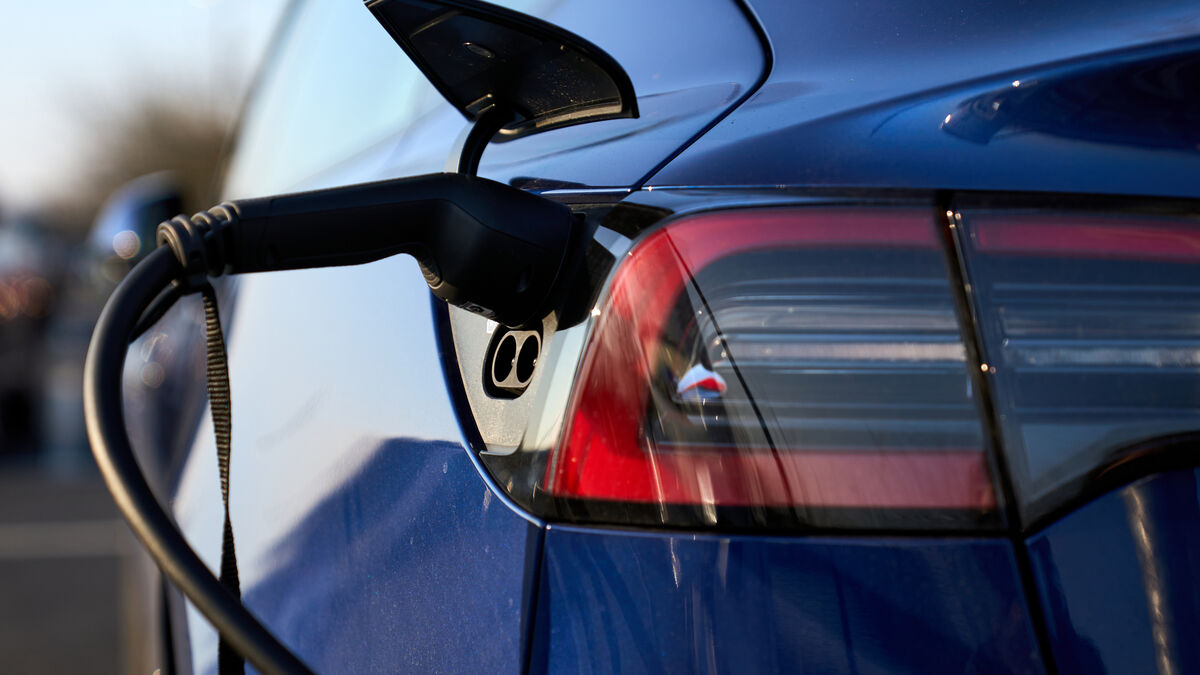
Then, of course, there are the cars. Is an electric car the way to go? In many ways, yes, particularly if you have the means to buy new. The savings on running costs can be significant, especially if you’re charging at home using night-rate electricity. But there is no getting away from the upfront cost.
And then there is the other concern: what happens when you’re on the road and need a charge? The fear is not so much about range anymore, but about certainty. Will the charger be working? And if it isn’t, will there be another one nearby?
I was speaking recently to a man who had driven from Tubbercurry to Killarney, on to Dublin, and back again. He left home fully charged, stopped just once on the journey, and brought the battery up to around 80%. He swears by electric and says it costs him very little. But then again, he can afford to swear by it. He’s not short of a bob or two; his car is a year old, high-end, and built for that kind of performance.
For the rest of us, the question is not just whether it works—but whether it works reliably, affordably, and without worry. Like lots in the current energy debate, that answer is still not clear. And that’s the real problem.