Herald Opinion: When fuel prices rise, everything rises with them
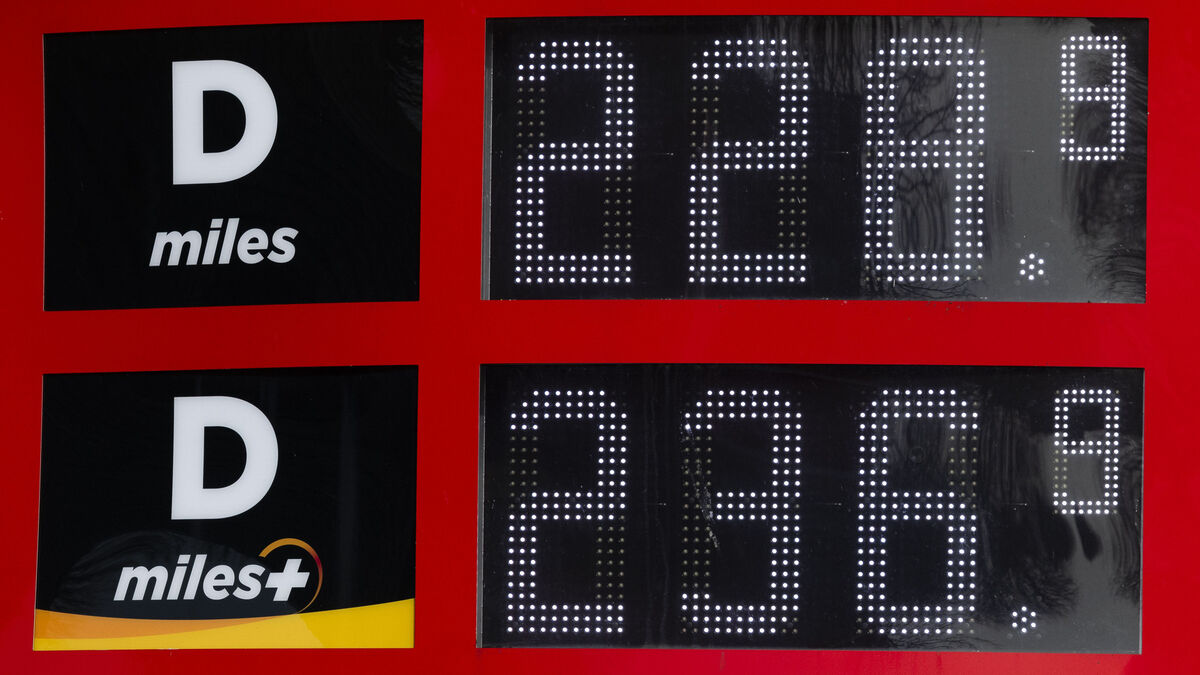
Fuel prices are continuing to rise at the pumps. Photo: Sam Boal/Collins Photos
Thursday was lovely, Friday followed in much the same way, and Saturday held its own. There was warmth, there was sunshine, and after weeks of dull, damp weather, the change was immediate and unmistakable. People seemed lighter somehow; smiles appeared a little easier, conversations a little brighter. In towns and villages, the lift in mood was almost visible. We had a match in Ballaghaderreen on Saturday, and you could sense it there too, in the way people lingered a little longer, in the way greetings stretched into proper chats.
Children, of course, felt it most. They ran and jumped with a kind of renewed energy, delighted to be back outdoors, making the most of every dry minute. Schoolyards came alive again. The simple act of being able to play outside without a coat — something so easily taken for granted — suddenly felt like a small luxury.
Among adults, the conversation took a slightly different turn. There was talk of bikes being dusted off, of short evening spins, of leaving the car at home where possible. Fine weather always encourages that kind of thinking, but this year there is something else driving it. With the price of diesel now well beyond the €2.00 mark, it’s not just about enjoying the sunshine — it’s about necessity. Quietly, almost reluctantly, people are beginning to question how often they can afford to turn the key in the ignition.
That shift in thinking is showing up in other ways too. On the radio, there was discussion about leaving lawns grow wild for a while, letting dandelions bloom and giving bees a chance to feed. The experts, we are told, have long warned against the obsession with perfectly manicured lawns. Now, it seems, their message is finding a more receptive audience.
Of course, it would be easy to dress this up as a newfound environmental awareness. And perhaps there is a little of that. But there is also no denying the role of cost. When petrol for the lawnmower feels expensive, letting the grass grow that bit longer becomes both an ecological choice and a financial one. There is a certain irony in it — the rising cost of fuel quietly nudging people towards more environmentally friendly habits.
You could almost convince yourself there is a silver lining. Almost.
Because, in reality, higher fuel prices don’t just change habits — they change everything. The impact stretches far beyond the forecourt. Every product on every shelf has, at some point, been on the back of a lorry. Every delivery, every service, every small business relies on transport, and transport relies on diesel. When the cost of fuel rises, it feeds into the cost of living in ways that are both obvious and hidden.
The lorries still have to roll. Shops still need to be stocked. Builders still need materials delivered. And when it costs more to keep those wheels turning, it costs more for all of us in the end. There is no escaping it.
That is why the conversation has now shifted towards what, if anything, can be done. There is increasing talk of reducing the duties on fuel. The Government, and by extension all of us, collects a significant amount in tax every time prices rise at the pump. As the price climbs, so too does the tax take. It is a delicate balancing act — between maintaining revenue and offering relief — but it is one that is becoming harder to ignore.
At the same time, households are facing pressure on another front. The cost of kerosene and home heating oil remains stubbornly high. The recent spell of fine weather offers some breathing space; the heating can be left off for longer, the evenings stretch out, and the urgency eases. But that is only temporary. Tanks run low, and when they do, they must be filled again — regardless of the price.
And that is the underlying issue. A few bright days can lift the spirits and change behaviour at the margins. They can encourage a walk instead of a drive, a bike instead of a car, a delay in cutting the grass or switching on the heating. But they do not change the fundamentals.
The costs are still there. They linger in the background, waiting for the next journey, the next delivery, the next cold evening. Sunshine may soften the mood, but it does not soften the bill.
For now, people will make the most of the good weather. They will get outside, stretch the legs, and perhaps leave the car parked a little more often. They will find small ways to adapt, as people always do. But beneath it all remains a simple, unavoidable truth: when fuel prices rise, everything rises with them — and that is a reality no amount of sunshine can hide.