Sister says she tried to tell gardaí George Nkencho had mental health issues
By Gráinne Ní Aodha, Press Association
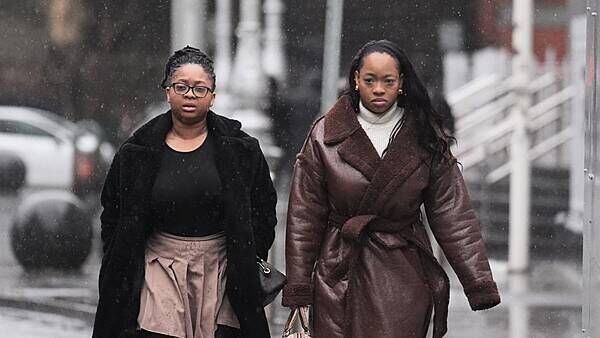
The sisters of George Nkencho have described efforts made to tell gardaí that their brother had mental health difficulties moments before he was shot.
Gloria Nkencho told an inquest she opened the door of the house and informed gardaí her brother was not well – but gardaí outside her home “either did not listen or hear me”.
Ms Nkencho and her sister Grateful Nkencho also described mental health difficulties their brother had.
Gloria said a doctor had said Mr Nkencho had post-traumatic stress disorder (PTSD) after being involved in a car accident in 2015, but he was never formally diagnosed.

She said that Mr Nkencho had experienced “episodes of paranoia” and there were times that he would get upset, but said that the family were aware of his triggers and would try to “calm him down”.
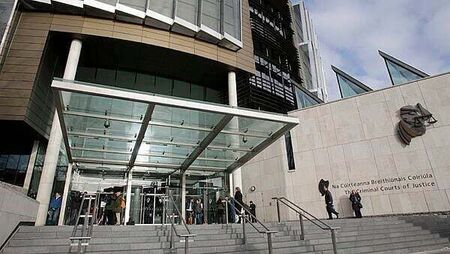
The inquest at Dublin District Coroner’s Court heard that gardaí had called to the house in June 2020 and had told the family that they did not have the resources to deal with mental health issues, but gave the family advice.
Mr Nkencho, 27, died outside his home in west Dublin in December 2020 after being shot multiple times by the Garda Armed Support Unit.
The inquest, which began last week, has heard from shop workers and customers who described seeing Mr Nkencho punch an assistant manager at a Eurospar in Hartstown, and members of the public who said they saw him holding a knife, as well as Garda dispatchers who described how units were deployed to the scene.
Grateful Nkencho, who was 18 years old when the incident took place, said she was the first person to go downstairs in response to the commotion outside the house.
She said she remembered the door already being open when she came downstairs and when she first saw George he was lying on his back outside the house while holding a knife and pulling Taser wires out of his body.

Grateful said she knew at the time these were Taser wires, as she had previously researched Taser wires and pepper spray.
She said as he was doing that, a female officer came up close to him and pepper-sprayed him in his eyes.
Grateful said there were around 15 gardaí outside the house, between armed, uniformed and plain clothed gardaí.
She said her sister Gloria then said “very loud” to gardai that this was her brother and he had mental health issues.
Grateful added of her sister: “She kept saying: ‘This is my brother, he’s sick, he has mental health issues’, but even as she was saying that, she was brushed away. Like, nobody really paid attention to what she was saying.”

She said an armed garda shouted “‘get back’, angrily” and said a garda closed the door after a minute or two, but she could not remember if it was a man or woman.
Grateful said she heard a bang and looked through a white mesh curtain over a window to the side of the door.
“That’s when I seen George laying lifeless on the ground,” she told the inquest.
“When I came down the stairs, George was on the ground. When the door was closed, the curtain was opened, George was still on the ground. I never seen George get up at any time and wave a knife. He was always on the ground.”
Grateful said she did not hear gardaí say: ‘Drop the knife’, or warn that Tasers would be used.
She said they were told 15 minutes later by gardai to leave the house.
“I remember actually saying to my siblings in the house that: ‘Oh, he hasn’t passed away, we’ll be fine, we’ll go to the hospital’, because we were actually on the way to the hospital.
“So we said: ‘We’ll go to my auntie’s house to get her car, and then we’ll go to the hospital,’ because we all believed that George was going to make it.”
Gloria Nkencho said when she went downstairs, she saw George on the ground through the window and opened the door.
She said she had a brief interaction with a garda where they were “almost talking over each other”, where she tried to tell them her brother had an illness.
“I opened the front door and said: ‘It’s my brother, he is sick.’ I was ushered back in by the guards,” she said.
She added she did not want to make the situation worse, so she went back inside as instructed and tried to call her mother.
“I heard shots and my heart sank,” she said in her deposition.
Gloria said she did not remember seeing anyone carrying a gun and did not see George holding a knife.
She also said before this she saw a garda give Mr Nkencho a “forceful”, “hard” kick in the back, and said she heard no verbal efforts by gardai to deescalate the situation.
“I was shouting that ‘he is not well’. The gardai either did not listen or hear me,” she said in her deposition.
“I heard no verbals from the gardai to de-escalate the situation. I could only hear noise, no words.”
The inquest continues before a jury.