Taking greater risks will speed up infrastructure projects, says minister
By Bairbre Holmes, Press Association
The public will see infrastructure projects move much more quickly in the next few months, the Minister for Public Expenditure and Infrastructure has claimed, but warned that some may not deliver all their intended benefits.
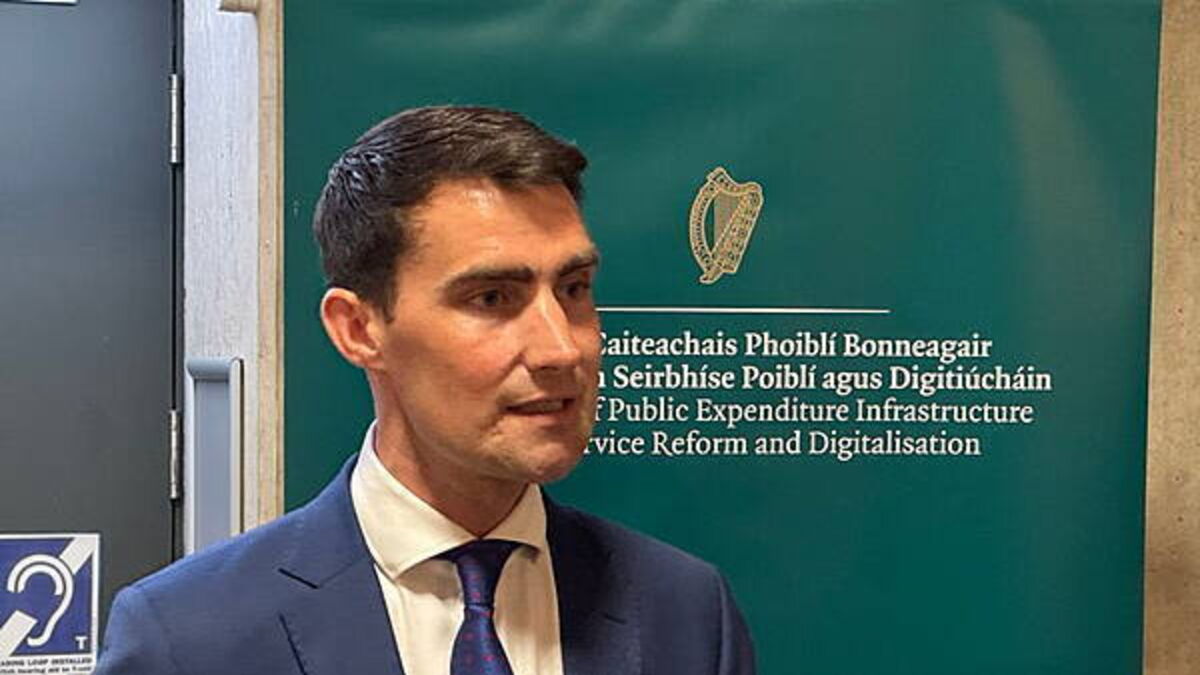
Jack Chambers was speaking at a conference hosted by his department in Trinity College Dublin on Wednesday.
There, he laid out his Risk Appetite Statement (RAS), a plan to enable civil servants and other decision-makers to take greater risks to speed up the delivery of public projects.
These risks would be “well-managed”, he said, to “accelerate delivery and improve timelines and outcomes for citizens”.
They could include purchasing land, undertaking preliminary works or buying critical materials before projects have full approval.
Chambers described it as a “signal to senior decision makers” that the Government “want and have a greater openness to risk, particularly in financial innovation and delivery risk”.
However, he also said this may mean that, in some cases, “investment does not always deliver all of the intended benefits”, but he said the approach is justified because it “supports wider system delivery as a whole”.
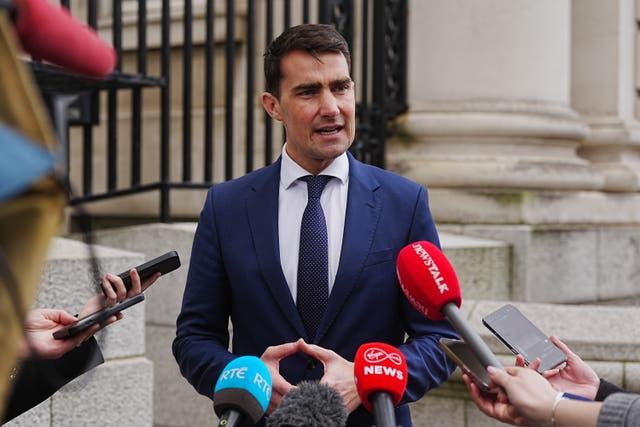
Speaking to reporters after delivering the conference’s opening address, Mr Chambers said that in recent years, the delivery cycles of some projects have doubled compared with the 1990s.
He gave wastewater treatment plants as an example, saying they are taking “years” longer than they did three decades ago.
He added there is “early evidence” reforms he previously introduced mean the Greater Dublin Drainage Project should “move a year quicker than was scheduled a few months ago”.
“You’ll see over the coming months multiple projects across multiple sectors move much quicker,” he added, but acknowledged: “I’ve got job work to do to deliver these reforms to move people from scepticism on infrastructure delivery to one where people see projects happening and moving.”
Asked if taking greater risks could lead to budget overspends or see projects going awry, Mr Chambers said: “There may be a particular project that doesn’t go according to plan,” but added: “Developing a system that promotes wider delivery and gets projects built will have much more tangible benefit for communities.”