Garda forced to hitch lift to emergency after electric patrol car runs low
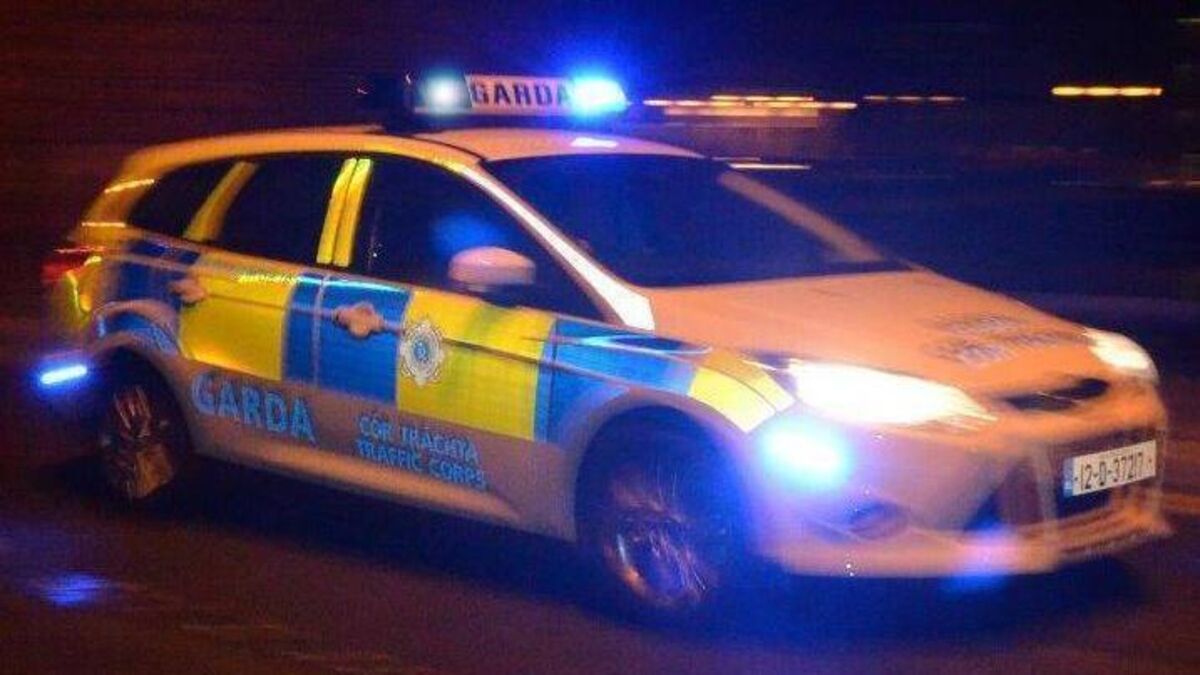
Concerns over Garda resources in rural areas have intensified after a Ballygar-based Garda was forced to hitch a lift for the final three miles to a serious incident
Concerns over Garda resources in rural areas have intensified after a Ballygar-based Garda was forced to hitch a lift for the final three miles to a serious incident when his electric patrol car ran low on charge.
The incident was raised at the Public Accounts Committee by Galway-Roscommon TD Dr Martin Daly, who said it exposed a shortage of suitable Garda vehicles and charging points across the constituency’s large rural policing districts.
Deputy Daly praised Garda Pat Regan as an “exemplar” of community policing but told the committee that no patrol car is assigned to Ballygar Garda Station.
Garda Regan must instead travel about 10 miles to Mountbellew to collect an electric patrol car before returning to begin his duties in Ballygar. There is no charging point at the Ballygar station.
Because the shared vehicle is in constant use, Deputy Daly said it is often collected with limited charge and can take up to 25 hours to charge fully.
On one call-out, Garda Regan left Ballygar for a serious incident in Clonberne with 22% battery remaining. When the charge fell by a further 11%, he pulled in rather than risk being stranded and hitched a lift for the final three miles.
“A passing person picked him up and brought him to the scene,” Deputy Daly said. A tow truck later had to remove the patrol car because it could not be charged in Ballygar.
Deputy Daly added that the Ballygar Garda had been “waiting for years” for a dedicated patrol car and appealed for one to be provided to the station.
He said the Clonberne call-out was not an isolated case, claiming there had been other occasions in the Galway-Roscommon constituency when gardaí pursuing serious criminals had “literally run out of juice”.
While supporting the transition to electric vehicles, Deputy Daly argued that the present technology and charging network were not suited to policing wide rural areas.
Garda Commissioner Justin Kelly, appearing before the committee with senior Garda and civilian staff, described the Ballygar case as “very concerning”.
He acknowledged that electric patrol cars had created difficulties because of their range and the force’s struggle to secure chargers and fast chargers at Garda stations.
He said responsibility for installing the infrastructure rested with the Office of Public Works, which owns Garda buildings, placing the issue outside the force’s direct control.
The Commissioner said vehicle range should improve as technology develops. In the meantime, he believed electric patrol cars should remain in urban areas rather than being deployed across large rural districts.