More than a pint - Roscommon’s pubs are fighting for their future
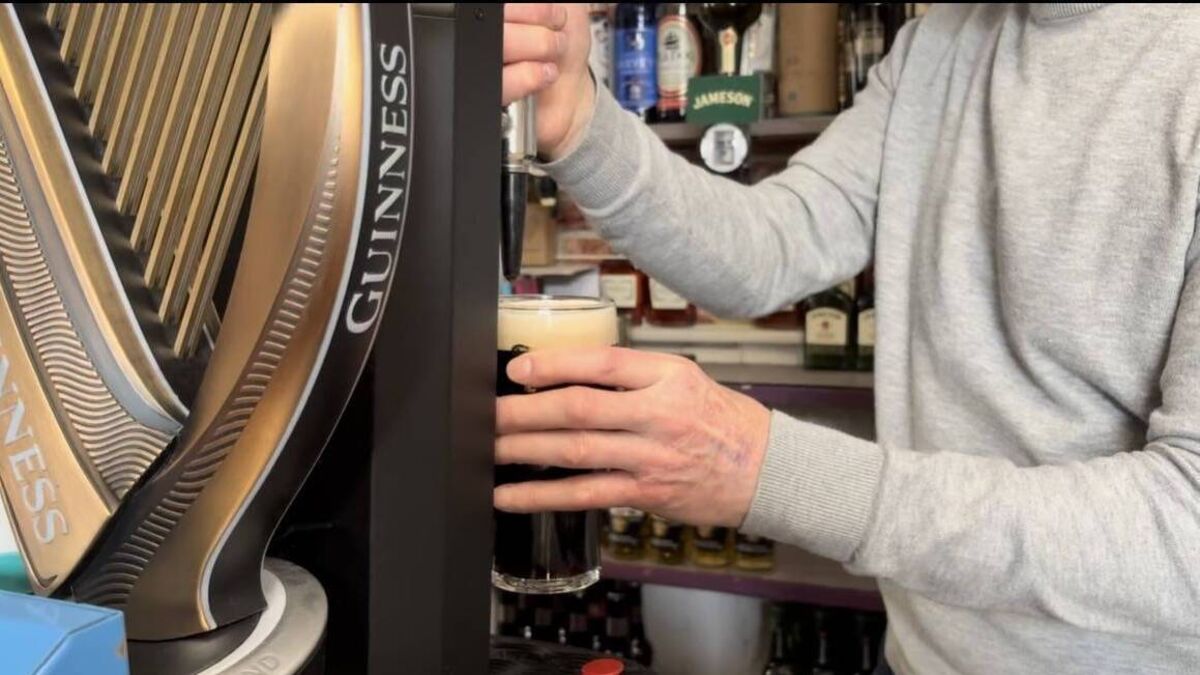
Padraig Mulligan, owner of Mulligan’s pub and hardware shop in Ballaghaderreen, has witnessed the evolution of drinking habits first-hand.
“A problem shared is a problem halved.” For generations, that quiet wisdom found its home in the rural Irish pub — a place not just for drink, but for companionship, conversation and community. Today, however, the future of that tradition is increasingly uncertain, particularly in counties like Roscommon where closures and rising costs are reshaping rural life.
A 2025 report commissioned by the Drinks Industry Group of Ireland paints a stark picture: Roscommon has recorded the fourth-highest rate of pub closures in the country. Since 2005, 82 pubs in the county have shut their doors — a significant decline in a region already grappling with rural depopulation and limited amenities.
For those still operating, the challenges are mounting. The Vintners’ Federation of Ireland (VFI), which represents more than 3,500 publicans nationwide, says the past year has been among the toughest on record. Chief executive Pat Crotty points to escalating overheads as a primary concern.
“Electricity costs have increased by 70% in the past five years, wages by 40%, while water tariffs have also risen significantly,” he said. “There is simply no capacity left to absorb further cost increases.” Those pressures are feeding into a wider sense of uncertainty across the trade. A recent VFI survey found that 42% of publicans lack confidence in their future business outlook, while 41% say trading conditions have worsened compared to 12 months ago.
Behind the statistics lies a deeper story — one rooted in the lived realities of rural communities.
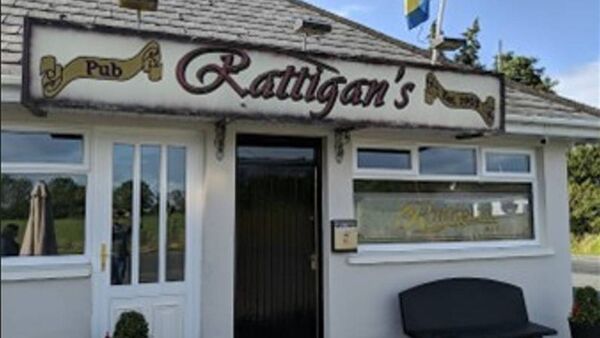
Rattigan’s Bar in Kilrooskey has stood at the heart of its community for generations and has been operated by the Rattigan family since 1903. Now operated by third-generation publican Dónal Rattigan, it represents both the tradition and fragility of rural pub culture.
“A customer once said you’re like a counsellor listening to people,” he said.
“You celebrate the good, console during death. People open up to you.”
For Dónal, the role extends far beyond serving drinks. In communities where social outlets are dwindling, the pub often provides a rare point of human connection. Yet he believes rural Ireland is being left behind.
“The countryside is totally ignored in all aspects,” he said. “Politicians shake your hand and talk to you — you won’t see them again.”
One of the most pressing issues is transport. Unlike cities, where late-night public transport is at least available for part of the night, many rural areas have no viable options. In Roscommon, services are limited largely to daytime Local Link routes, leaving taxis where they are available as the only alternative.
In an attempt to address this, the Rattigan’s previously ran a shuttle service under the slogan “You drink, we drive.” Though popular, the initiative proved financially unsustainable due to high insurance and taxation costs.
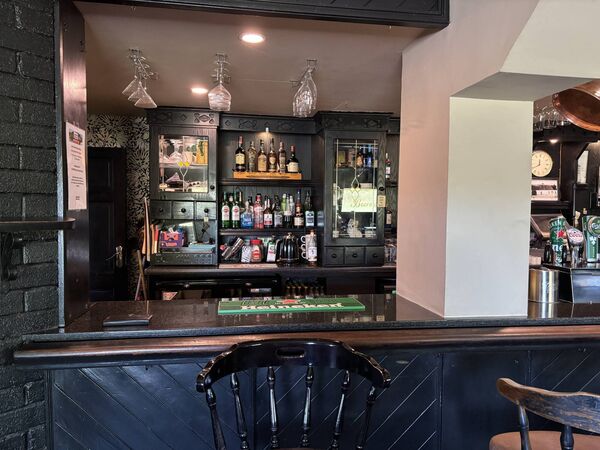
Dónal believes targeted supports, such as grant aid for local night buses, could make a real difference — not just for business, but for safety and community life.
The significance of rural pubs extends well beyond economics. Independent TD Michael Fitzmaurice emphasises their role in combating isolation, particularly among farmers and others who spend long days working alone.
“If you look at rural populations now, especially in agriculture, many people are working on their own all day,” he said. “For mental health and wellbeing, the rural pub as a place to socialise and interact is important. This isn’t about drinking — it’s about having a chat.”
Deputy Fitzmaurice warns that without these informal gathering spaces, rural isolation could deepen. He supports the creation of a “Social Fund” to support organised monthly events in local pubs, including transport for attendees. Such initiatives, he argues, could strengthen community cohesion while providing a modest but vital boost to struggling businesses.
However, affordability remains a significant barrier. According to a “Rhythm of the Night” survey, 86% of respondents now consider a night out too expensive — a reflection of broader cost-of-living pressures.
“The real problem is how expensive everything is,” Deputy Fitzmaurice added. “Working people got no tax break in the Budget. But I believe strongly in community spirit — even one night out a month can make a difference.”
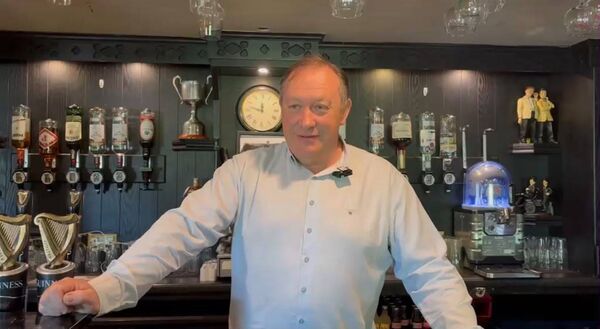
Padraig Mulligan, owner of Mulligan’s pub and hardware shop in Ballaghaderreen, has witnessed the evolution of drinking habits first-hand. As a second-generation publican, he sees both the enduring value of the pub — and the growing threats to its survival.
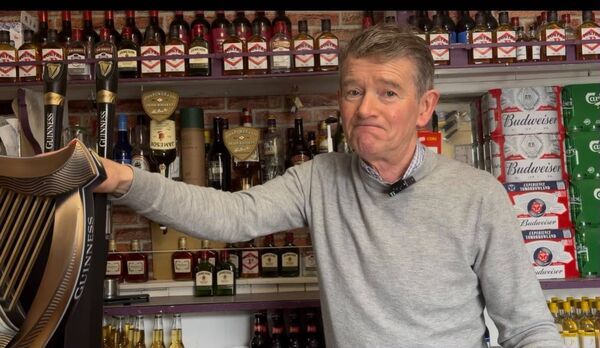
“There are people I count as friends that I met through the bar,” he said. “But we are witnessing the demise of the rural pub. For some people, you might be the only person they encounter that week.”
A major shift has been the move towards home drinking, driven in part by rising costs. While off-licence sales have grown, he warns that the change comes with risks.
“Drinking nowadays has gone towards the off-licence,” he said. “That can be a good thing and a bad thing — home measures can lead to over-drinking, and with no final bell, it doesn’t have to stop.”
He also raises concerns about the impact on younger generations. “Young children in the background may not know the difference between what normal drinking is and what isn’t,” he said.
The challenges facing rural pubs are complex and interconnected. Rising operational costs, changing social habits, limited transport, and declining rural populations all contribute to the strain.
Yet the loss of these establishments would represent more than an economic shift — it would mark the erosion of a uniquely Irish social institution.
As Dónal Rattigan reflects, the pub remains a place of shared experience, whether in celebration or in grief. Maintaining that role in modern Ireland will require not only resilience from publicans, but meaningful support from government and communities alike.
Without intervention, the steady rhythm of closures may continue — and with each shuttered door, a piece of rural life risks disappearing with it.