Herald Opinion: Matches are decided in seventy minutes: Towns are decided over years
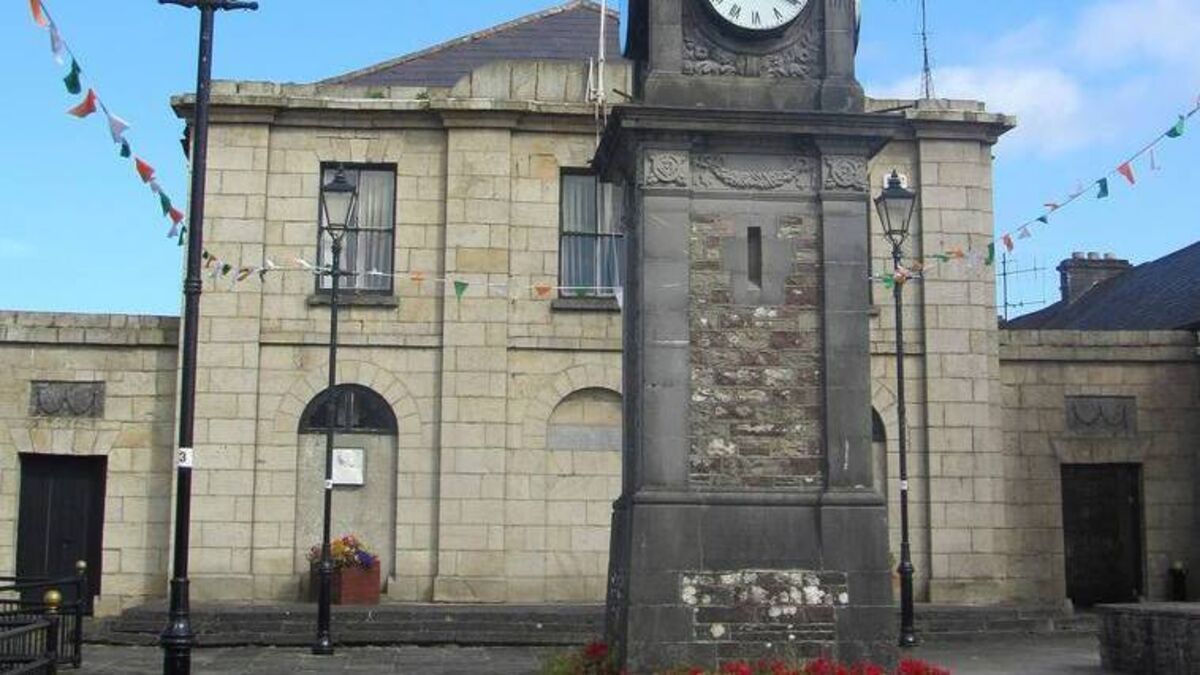
As Boyle weighs the promise of something new, it should also pause to consider what it already has.
Saturday had a bite in the air, but what it lacked in weather it more than made up for in sport. It was one of those days when hope felt fragile in the morning and unstoppable by evening. Few gave Ireland much of a chance at Twickenham, yet they travelled across the water and stood tall. And then, as the day turned towards evening, the roads out of Roscommon filled with primrose and blue bound for Salthill.
At Pearse Stadium, the early signs were grim. Thirteen points down not long after half-time, it looked as though the tide had gone out on us. Around the ground there was that familiar mix of frustration and stubborn belief. But what followed will be talked about for a while. Point by point, tackle by tackle, the gap narrowed. Momentum shifted. Suddenly the improbable felt possible.
When the hooter sounded, it was Roscommon by a single point — unlikely to some, but thoroughly deserved by those who watched the work-rate and refusal to fold. There is something uniquely satisfying about winning against the odds, especially when the neighbours are involved. Whether by a landslide or the narrowest margin, a derby win carries its own flavour.
But while we cheer for the jersey on a Saturday, the real test of “backing our own” happens on a Tuesday morning in our shops. In Boyle, that balance is under the microscope as the town weighs the arrival of Aldi to Patrick Street.
Roscommon County Council has granted planning permission for a new supermarket. A major retailer promises footfall, competition and, some hope, a welcome injection of life into a town that, like many across the county, could do with it.
But is bigger automatically better?
Local retailers are more than shopfronts. They sponsor jerseys, buy raffle tickets, donate spot prizes and quietly support fundraisers. Communities support their shops — but those shops sustain the fabric of the community. Anyone involved in voluntary groups knows which businesses step forward when backing is needed. We also know where many teenagers find their first jobs — evening shifts, weekend work, summer employment that teaches responsibility.
Progress is welcome. Investment is welcome. Competition can sharpen standards. But as Boyle weighs the promise of something new, it should also pause to consider what it already has.
Another layer has caught attention locally. The appeal against the council’s decision has been lodged not by a Boyle resident, but by an individual from outside the county. While submissions were made during the original planning process, only one person has formally appealed to the national planning authority.
That has prompted questions in coffee shops and business premises alike. How does a town reconcile local approval with an external appeal? Should geography matter in planning decisions? Or is planning law designed to rise above parish boundaries?
The planning system allows for such appeals. Decisions are not popularity contests; they are tests of policy, zoning, traffic management, environmental impact and compliance with development plans. An appeal does not automatically mean obstruction. It is part of ensuring developments meet required standards.
And yet, optics matter. When a project many perceive as beneficial is delayed by someone who will not experience its day-to-day impact, it can feel — rightly or wrongly — as though progress is being decided at a remove from those who live and work in the town.
Some see investment as something to encourage rather than slow. A new supermarket signals jobs, consumer choice and renewed activity. Others worry about the long-term impact on town-centre vitality and smaller retailers. Those concerns are not trivial.
Planning appeals are not about personalities; they are about principles. An Coimisiún Pleanála will assess whether the proposal aligns with zoning objectives, traffic safety and the Local Area Plan.
Perhaps what this debate reveals is something positive: people care. They care about Boyle’s direction, its streetscape and its future. Apathy would be far more worrying than argument.
Just as in Salthill, momentum can turn in an instant. The Aldi proposal may move ahead or it may not. Either way, the real work begins afterwards.
Backing your own is easy when there’s a scoreboard and a hooter. It’s harder on an ordinary Tuesday morning. Boyle’s future will be shaped not just by planning decisions, but by where people choose to spend their money, their loyalty and their belief. Matches are decided in seventy minutes. Towns are decided over years.