Herald Opinion: Unity must be achieved by consent rather than imposed
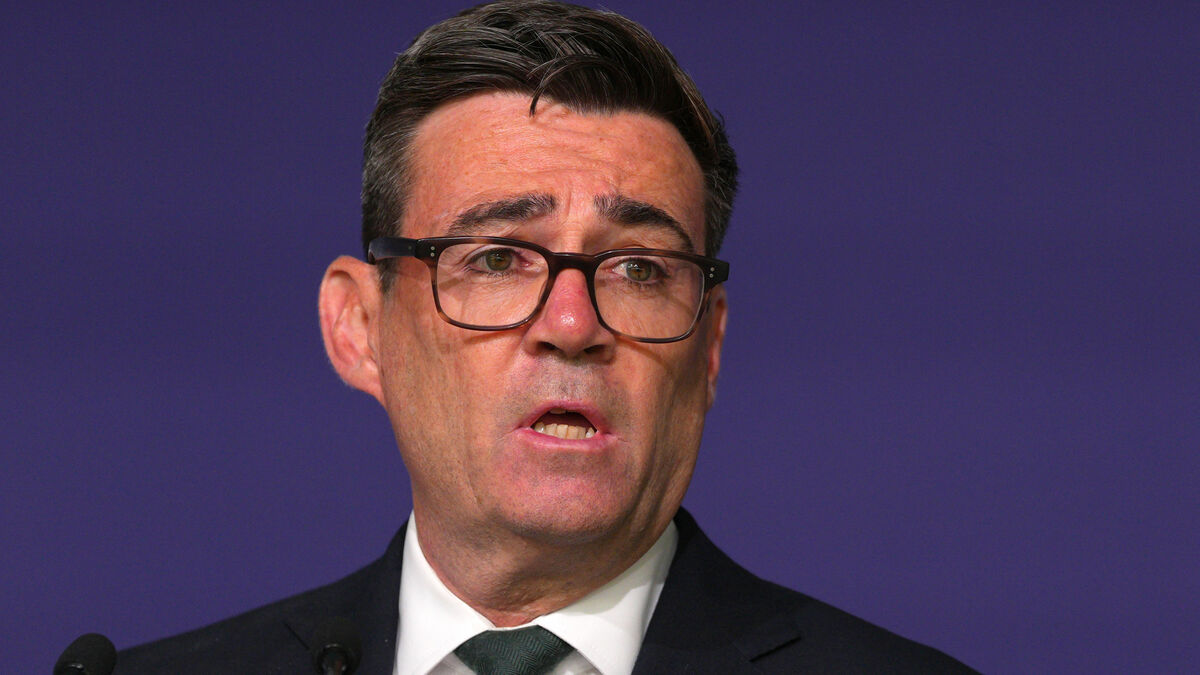
British Prime Minister Andy Burnham was in Belfast last week, where he firmly dismissed the prospect of a border poll any time soon.
British Prime Minister Andy Burnham was in Belfast last week, where he firmly dismissed the prospect of a border poll any time soon. It appears clear that the British Government has little interest in holding one within the next number of years, and the Government in the Republic may be equally reluctant.
Many British politicians are understandably wary of referendums following Brexit and the considerable damage it caused to the United Kingdom. Taoiseach Micheál Martin may well share Burnham’s caution, particularly after witnessing the division and uncertainty created by that experience. Like me, he is clearly in no hurry to hold a border poll. I believe that we will eventually have a united Ireland; for me, it is a question of when, not if.
Many of us on this side of the island - including myself - would dearly love to see a united Ireland. However, unity must be achieved by consent rather than imposed, and I am not convinced that enough people in Northern Ireland are ready to support it just yet.
The fact that we already have all-island teams in rugby and hockey is encouraging. Soccer, however, is very different. The IFA governs the game in Northern Ireland, while the FAI performs that role in the Republic, giving us two separate international teams. For many Northern Ireland supporters, their team is itself an expression of identity, and they would never countenance abandoning it in favour of a single all-island side. Sport may seem a relatively minor consideration, but it offers a revealing glimpse of the cultural and political divisions that remain.
Those divisions extend far beyond sport. Flags, songs, bonfires, commemorations, marches and parades can all expose the fault lines between the two traditions. Events cherished by one community may be regarded with suspicion or even hostility by the other. These differences cannot simply be wished away, nor would changing a line on a map make them disappear overnight.
Cultural accommodation is only part of the challenge. What would happen to the NHS, pensions, welfare payments, taxation and the currency? We must explicitly outline how public sector wages, national debt and regional investment would be managed, and whether Stormont would remain. Would people in the Republic accept changes to the flag, anthem or Constitution if they were necessary to make unionists feel respected and included?
Policing would present another sensitive question. What would become of the PSNI? Its officers are routinely armed, whereas most gardaí do not carry firearms, although specialist armed units are available when required. Would a future all-island police service be routinely armed, or would we retain the tradition of primarily unarmed policing? I know which approach I would prefer, but people accustomed to policing within Northern Ireland’s particular security environment might see matters differently.
The central lesson from Brexit is surely that a referendum should not be held before people understand what their vote would mean in practice. Too many of the difficult questions surrounding Britain’s departure from the European Union were left unanswered until after the votes had been counted. A border poll must not repeat that mistake. Before anyone enters a polling station, there should be a detailed and credible plan setting out the costs, the timetable, the constitutional arrangements and the protections offered to both traditions. Otherwise, people are effectively being asked to vote for a destination without first being shown the map.
My greatest concern is that many within the loyalist and unionist communities genuinely fear being forced, against their will, into an Irish state in which they would have little sense of ownership or belonging. That fear cannot simply be dismissed or treated as an obstacle to be overcome. Although constitutional change could be approved legally by majorities of those voting in both jurisdictions, that alone would not create political legitimacy, lasting reconciliation or a genuinely shared country.
Nor can a future Ireland be designed solely by nationalists and then presented to unionists as a finished product. Unionists must have a meaningful role in shaping it from the beginning, even if many initially decline to participate. Their British identity, citizenship, traditions and cultural institutions would require firm and lasting protection. Their political representatives would also need confidence that they could exercise real influence rather than become a permanent and largely powerless minority. Such guarantees would not be concessions reluctantly granted to unionism; they would be essential foundations of any genuinely shared country.
If we are serious about bringing North and South together, we must first build an Ireland in which both traditions feel respected, represented and at home. Before asking people to enter a polling booth, our governments must undertake the hard work of drawing the map through an inclusive, cross-border dialogue that protects both traditions from the very beginning.
Consent must mean more than securing the minimum number of votes required by law; it must involve genuine preparation, meaningful guarantees and broad public confidence. People must be persuaded, not pressured. Like any successful marriage, both parties must enter it freely and willingly. A forced marriage is no foundation upon which to build a shared and lasting future.