The Kettle's Boyled: Should we be more like The Netherlands?
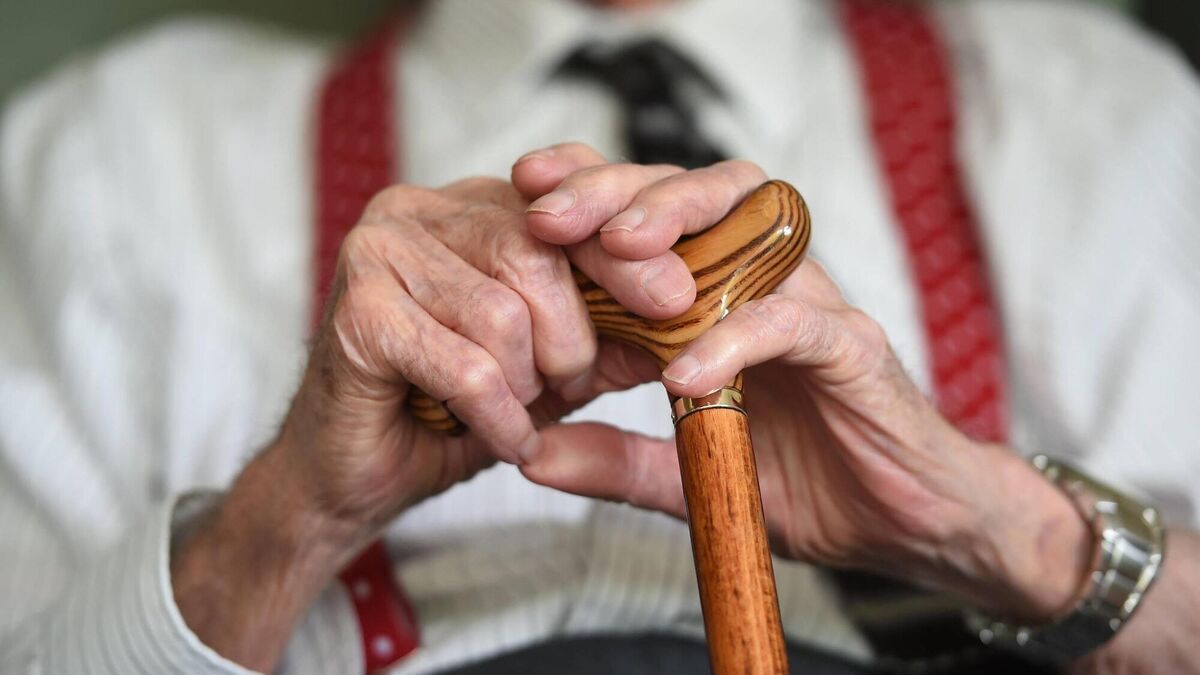
The Netherlands provides housing that combines independent living with access to services. Picture: PA
A news item on national radio last week made me wonder if we have our priorities a bit skewed. A woman who had made a deal in late 2025 to trade in her car for a new one with a promised delivery date of March 3rd was complaining that it hadn’t arrived. With all that is going on in the world, somebody decided that her having to keep driving her existing car for another week was national news. If that is the way news is prioritised, what else did they miss?
There was one story from the same week that was at least as important as the car saga. Tucked away in a corner on a national newspaper was a piece by Professor Gerard Quinn about the UN treaty on the rights of older persons. They should have been interviewing him instead, because what he had to say was arguably at least as important as the car woman’s problems.
Gerard Quinn is one of the good guys, the people many of you may never have heard of but who beaver away in the background, bringing fairness and decency to decision-making. Gerard is professor emeritus at the School of Law, UCG, and former UN rapporteur on the rights of persons with disabilities. For many years he has been my go-to person for advice on disability rights and his advice is always given freely and promptly. The groundbreaking EU legislation on diverting structural funding from the institutionalisation of persons with disabilities to independent living was designed by Gerard Quinn, and was one of the biggest human rights advances in Europe in recent history.
Quinn is now chipping away at another rockface in the human rights field, the way that older people are warehoused in institutions, often denied basic rights. There is a better way, as shown by countries like Norway, Sweden, and the Netherlands. Norway promotes inclusion for older people including involvement in local governance. The Netherlands provides housing that combines independent living with access to services. In Ireland, we tend to subcontract an existing ‘one size fits all’ institutional model to the ‘for profit’ sector, where the money side will always have a strong influence on policy.
There is resentment of older people, so that a narrative suggesting they should give up their houses to people who would like to have them goes unchallenged, as was an extraordinary raid on private pension savings by Minister Michael Noonan during the economic crisis. Far from encouraging people to save for old age, our government helped themselves to a huge slice of their savings when they needed to appease the hospitality lobby.
Gerard Quinn said last week that Irish groups can now have input into the new UN treaty on older persons, and hopefully national media will begin to cover that story, a story arguably more important than whether a new car was a week late.