Shark jaw and 15 vials of bear bile seized by Revenue at Shannon Airport and Dublin postal hub
Darragh Mc Donagh
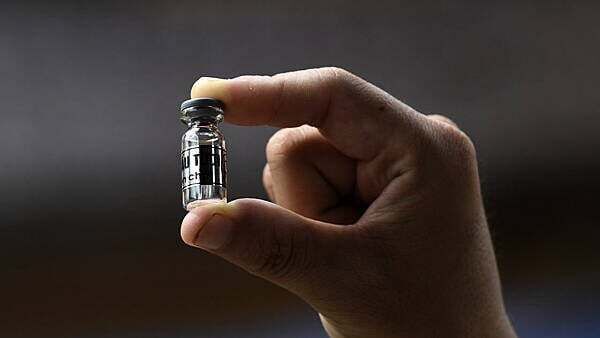
A shark jaw and 15 vials of digestive fluid cruelly extracted from live bears were seized by Revenue officers following searches conducted at Shannon Airport and a postal hub in Dublin.
The unusual items were confiscated under the Convention on International Trade in Endangered Species (CITES), which targets the smuggling of protected flora and fauna.
The shark jaw was discovered in a package that arrived at An Post’s Dublin Parcel Hub from Taiwan at the end of August. These illegally traded trophies can fetch thousands of euro on the black market.
The two-gram vials of powdered bear bile were seized at Shannon Airport after they were brought into the country from Hong Kong last February, according to records released under the Freedom of Information Act.
Bear bile is used in traditional Chinese medicine, and is believed to be an effective treatment for a large number of conditions, ranging from epilepsy and inflammation to hangovers and haemorrhoids.
The harvesting of this digestive fluid is widely condemned, as ‘farmed’ bears are typically kept in coffin-sized cages and subjected to repeated surgery or catheterisation in order to extract the bile from their gall bladders.
Other animal products seized by Revenue under CITES in recent years have included lion claws, alligator heads, dead seahorses, desiccated snakes, a turtle shell, and 2kg of meat from a rare species of antelope.
Officers have also seized crocodile teeth, an active bird nest, a horse’s tail, a dried bat, a hippo’s tusk, and a package containing 4,000 live bees that had been sent to Ireland in the post.
A spokesman for Revenue said anti-smuggling teams were located at all main ports and airports, as well as the main postal depots throughout the country. These profile imports and carry out scans and examinations of packages based on risk assessments.
“When CITES items are seized and following the period for appeal, Revenue assesses disposal options and, in consultation with the NPWS, makes appropriate disposal arrangements,” he added.
“Items may be retained, destroyed or given to another agency – for example, Dublin Zoo or the Natural History Museum, as appropriate.”