CSO data shows significant income disparity within county
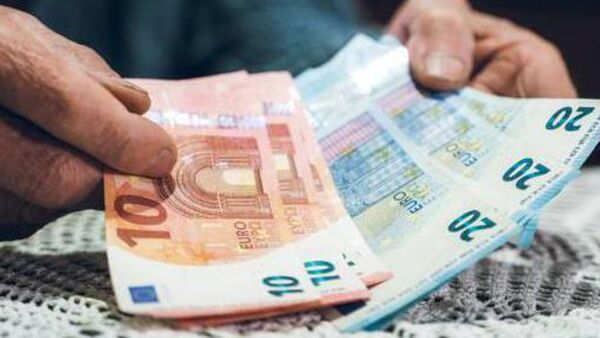
There is more than €20,000 in the difference in median gross income between the Athlone Municipal District of South Roscommon, €64,694, and the Boyle Municipal District of North Roscommon, €44,371, according to CSO figures. Pic: iStock
The significant disparity in income between North, Mid, and South Roscommon has been clearly shown in CSO data released last week.
According to data from the ‘Geographical Profiles of Income in Ireland 2022 - Household Income’, there is more than €20,000 in the difference in median gross income between the Athlone Municipal District of South Roscommon, €64,694, and the Boyle Municipal District of North Roscommon, €44,371. The figure in the Roscommon Municipal District, which includes Roscommon Town and Castlerea, was €48,333.
The data is the first in a series which will provide detailed estimates on household income in Ireland.
The disparity was also reflected in the median net household income, with the Athlone MD on €55,438, Roscommon MD €43,544, and the Boyle MD €40,244.
The information is also broken down by the county’s 109 electoral divisions (EDs). The highest mean net household income was recorded in the Kiltoom electoral division, where the figure was €78,662, followed by Crannagh with €70,548. Both of these areas are in South Roscommon close to Athlone. The ED with the third highest mean net household income was in Killukin in North Roscommon, where a figure of €70,184 was recorded. The ED with the lowest mean net income was the Boyle Urban ED with €36,855. The Castlerea ED had a mean net household income of €44,846, while the Roscommon Urban ED was €41,545 and the Roscommon Rural ED was €58,111.
In total the county’s median gross figure for household income was €51,009, the mean gross was €64,076, the median net was €45,594, and the mean net was €52,500.
In Connacht, the three highest income local electoral areas (LEAs) were in Galway. Athenry-Oranmore in Galway had a median gross household income of €70,629, followed by Gort-Kinvara (€70,126), and Galway City West (€68,698). The fourth highest in Connacht was Athlone in Roscommon (€64,694), and the fifth was Sligo-Drumcliff in Sligo (€61,587). The LEA in Connacht with the lowest median gross household income was Belmullet in Mayo (€36,923).
In response to the data, Irish Rural Link, the national network representing the interest of rural communities, said it had highlighted the low incomes of rural households for many years.
“This report by the CSO confirms this,” the organisation said. “Carndonagh Local Electoral Area in Donegal had the lowest household income at €35,614, with the household income for Lifford at €31,959. Donegal as a whole had the lowest household income in the country at €42,497.
Counties Leitrim, Longford and Kerry had the lowest (median gross) household income in their region at €45,267, €47,217 and €48,320 respectively.
“The lower income in these counties is a reflection of the quality of the jobs available in these areas. Many of the jobs in these counties and within the rural towns of these counties are minimum wage and precarious working hours, in sectors like tourism, retail, low skill manufacturing, etc. We know from our members and research from colleagues in Vincentian MESL Research Centre that households in rural areas working in minimum wage jobs have a deeper income inadequacy than peer households in urban areas. The extra cost of keeping a car on the road, and for most families, two cars, adds to family household expenses,” said Irish Rural Link.
It added that remote working, “while not a silver bullet”, could go some way to improve job opportunities.
“We continue to call for more regionally balanced approach to job creation and also better recognition of the jobs created in the sectors of tourism, retail, hospitality, that are important contributors to the overall economy.”