Middle-income households facing intensifying cost-of-living squeeze
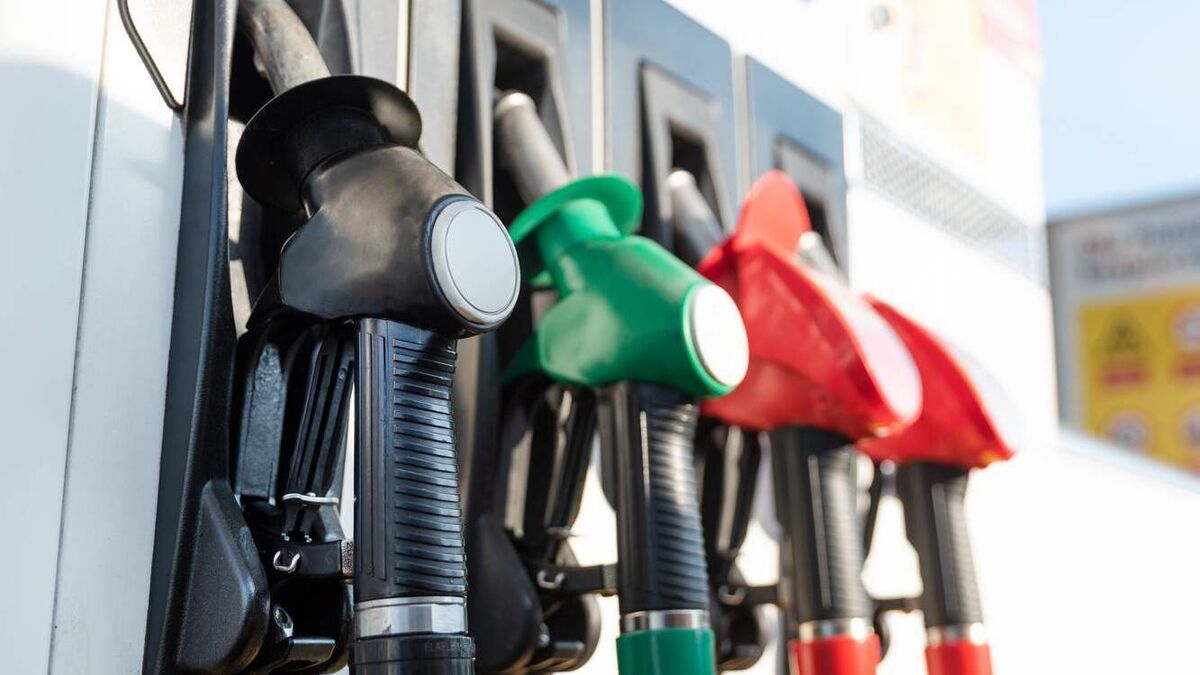
Significant rises in petrol and diesel, alongside very substantial increases in home heating oil feed directly into the wider economy. Picture: iStock
FF TD Dr Martin Daly has warned that middle-income households are facing an intensifying cost-of-living squeeze, as rising global energy prices are set to drive a further wave of inflation across food, transport and everyday essentials.
Commenting on the latest economic analysis and Central Statistics Office data, Dr Daly said that while inflation stood at 2.7% in recent official figures, there is now clear evidence that price pressures are building again.
“Recent analysis indicates that inflation could rise to between 3.5% and 4% in the coming period, driven primarily by sharp increases in energy costs,” he said.
“We are seeing significant rises in petrol and diesel, alongside very substantial increases in home heating oil, and these costs feed directly into the wider economy. This is not a contained issue. When energy prices rise, they affect everything, from transport and production to food prices and household bills.”
Dr Daly said the situation is being driven by instability in global energy markets linked to the conflict in the Middle East and disruption to key supply routes. “The disruption to global oil and gas supply is already creating volatility, and there is a high degree of uncertainty about how this will develop,” he said.
“What is clear is that sustained increases in energy costs will translate into higher inflation and reduced spending power for households.” He said the knock-on effects are particularly significant in rural Ireland.
“For farmers, rising fuel and input costs are now the single biggest pressure, with over 40% identifying input costs such as feed, fertiliser and fuel as their main concern,” he said. “For hauliers and small businesses, rising diesel and operating costs are feeding directly into the price of goods. That is how energy inflation becomes food inflation, and ultimately a higher cost of living for every household.” Dr Daly said the burden of these pressures is falling most heavily on working households.
“There is a growing middle squeeze, people who are working, earning, and contributing, but are finding it increasingly difficult to keep up with the cost of living,” he said. “These households often fall outside traditional supports, but they are experiencing the full impact of rising costs.”
He said findings from his ‘Everyday Reality’ survey across Roscommon Galway demonstrate the scale of the issue. “Of almost 200 respondents, over 71% said the cost of living is now much worse than five years ago,” he said. “Over 83% identified food and grocery costs as the biggest pressure, 76% pointed to energy costs, and more than half cited transport.”
“Crucially, 67% said they have had to cut back on essential spending in the past six months, and more than half said their income is not keeping pace with the cost of living. That is a very clear indication of financial strain. People are not cutting back on luxuries, they are cutting back on the basics.”
Dr Daly also pointed to the broader social impact reflected in the survey. “People are reporting reduced disposable income, increased stress, and an inability to plan for the future,” he said. “Housing costs, in particular, continue to dominate, with more than one in four households nationally experiencing housing as a heavy financial burden.”
Highlighting the situation in Roscommon Galway, Dr Daly said rural households are particularly exposed. “In rural communities, transport is essential, energy costs are higher, and alternatives are limited,” he said. “That means households are more vulnerable to increases and less able to absorb further shocks.”
Dr Daly said the cumulative effect of rising essential costs and renewed inflationary pressure is a continued erosion of spending power. “Spending power has been reduced in a way that is gradual but very real,” he said. “People feel it every time they go shopping, every time they fill their car, and every time they pay their household bills. This is not a temporary issue. It is a persistent squeeze that is becoming embedded in everyday life.”
He concluded by warning that the situation may deteriorate further. “With global energy markets under pressure and uncertainty increasing, there is a real risk that the cost-of-living challenge will intensify again,” he said. “We cannot assume this issue has passed. For many households, it is ongoing, and for some, it is getting harder.”
Dr Daly said he will continue to engage with Government colleagues to ensure that the pressures identified by households are fully reflected in ongoing policy decisions. “It is essential that we remain focused on the real and persistent cost pressures facing working households, particularly those in the middle who are often most exposed,” he said.
“The response must be practical, targeted and grounded in the everyday reality people are experiencing.”