New project seeks untold stories of Strokestown Park
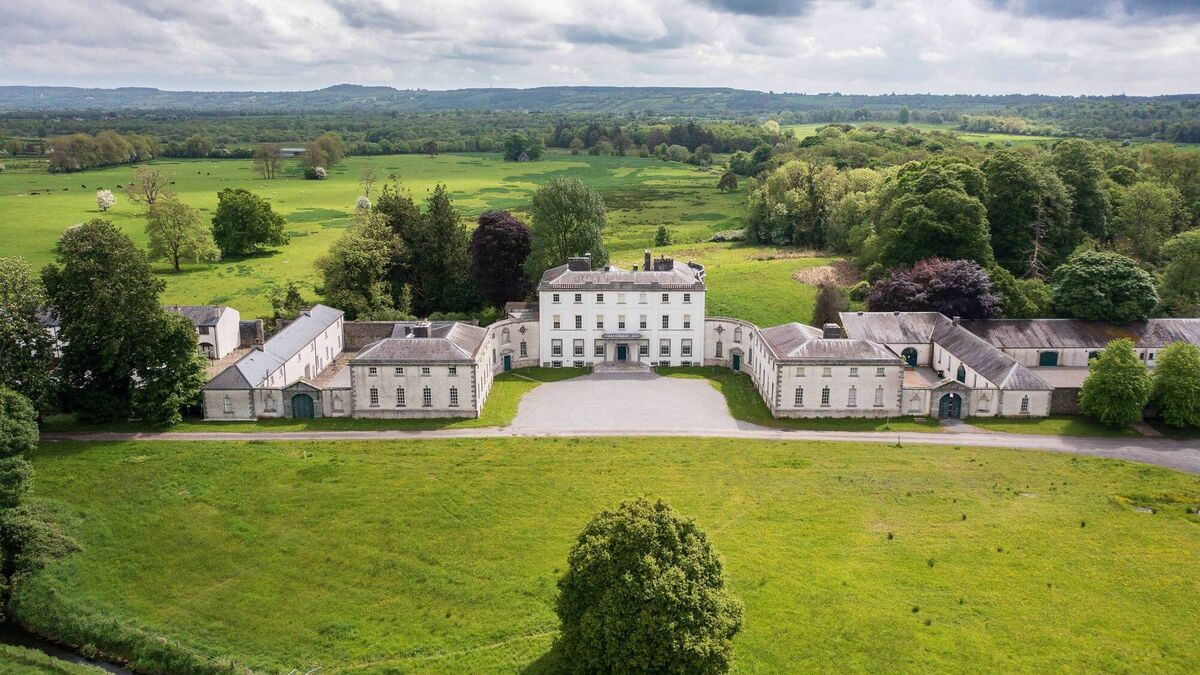
Strokestown Park and the National Famine Museum in Strokestown. A new oral history initiative is now set to record and preserve the stories, memories and lived experiences that have shaped this historic estate.
The stories, memories and lived experiences that have shaped one of Ireland's most important historic estates are set to be recorded and preserved through a new oral history initiative at Strokestown Park House.
The project forms part of Heritage Voices Plus, led by the Irish Heritage Trust.
At Strokestown Park , the Trust is responsible for delivering the visitor experience and engaging new audiences with the site's rich history.
Delivered by MacConmara Heritage Consulting, national specialists in oral heritage, and funded through the Heritage Council Community Grants Programme, the initiative will record the experiences of former staff, estate workers, volunteers, local historians and members of the wider community who have been connected to Strokestown Park across the decades.
The project will capture memories of life in the house and on the estate, including farming, gardening, estate management, domestic life, local traditions and community connections. It will preserve the experiences of the people whose work, knowledge and dedication shaped Strokestown over generations, ensuring these stories are recorded alongside the estate's remarkable built heritage and nationally significant collections.
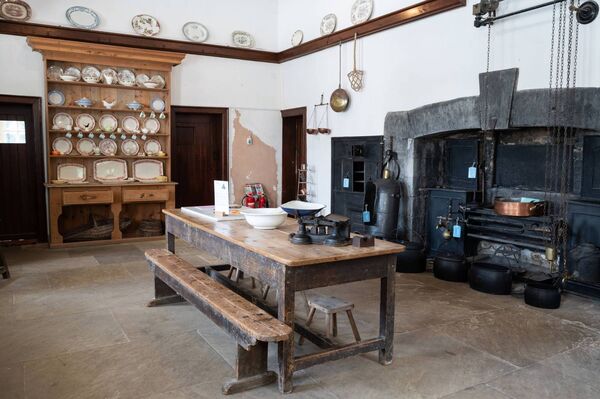
While Strokestown Park is widely recognised for its connection to Ireland's Great Famine and the National Famine Museum, Heritage Voices Plus will explore the broader social history of the estate, documenting the everyday lives, traditions and experiences of the people who lived, worked and volunteered there across generations.
Interviews recorded through the project will be preserved through the Roscommon Oral Heritage Project, ensuring they remain accessible for future generations.
Dr Tomás Mac Conmara of MacConmara Heritage Consulting explained: "Historic houses are more than buildings and collections; they are places shaped by generations of people. Oral history allows us to record not only significant historical events but the everyday experiences, traditions and local knowledge that rarely appear in written archives. These voices add an invaluable human dimension to the story of places like Strokestown Park."
The initiative builds on a national oral history framework developed jointly by the Irish Heritage Trust and MacConmara Heritage Consulting in 2025, establishing professional standards for oral history collection, ethical recording, interview preparation and long-term archival preservation across the Trust's heritage properties.
Heritage Voices Plus will also include a volunteer shadowing programme, providing participants with practical experience in oral history methods, ethical practice and heritage documentation.
Dr. Tara Carroll, volunteer coordinator at Strokestown Park, says that "people often visit Strokestown Park to explore its remarkable history, but behind every room, field and pathway are the stories of the people who lived and worked here. From estate staff and farming families to volunteers and members of the local community, these memories bring the estate to life. Through this project, we hope to preserve those voices and ensure they remain part of Strokestown's story for future generations."
Members of the public with memories of Strokestown Park House—as former staff, volunteers, visitors or members of the local community—are encouraged to contact the Irish Heritage Trust at learning@irishheritagetrust.ie to share their stories or find out more about the project.