Herald Opinion: Are letters set to become a thing of the past?
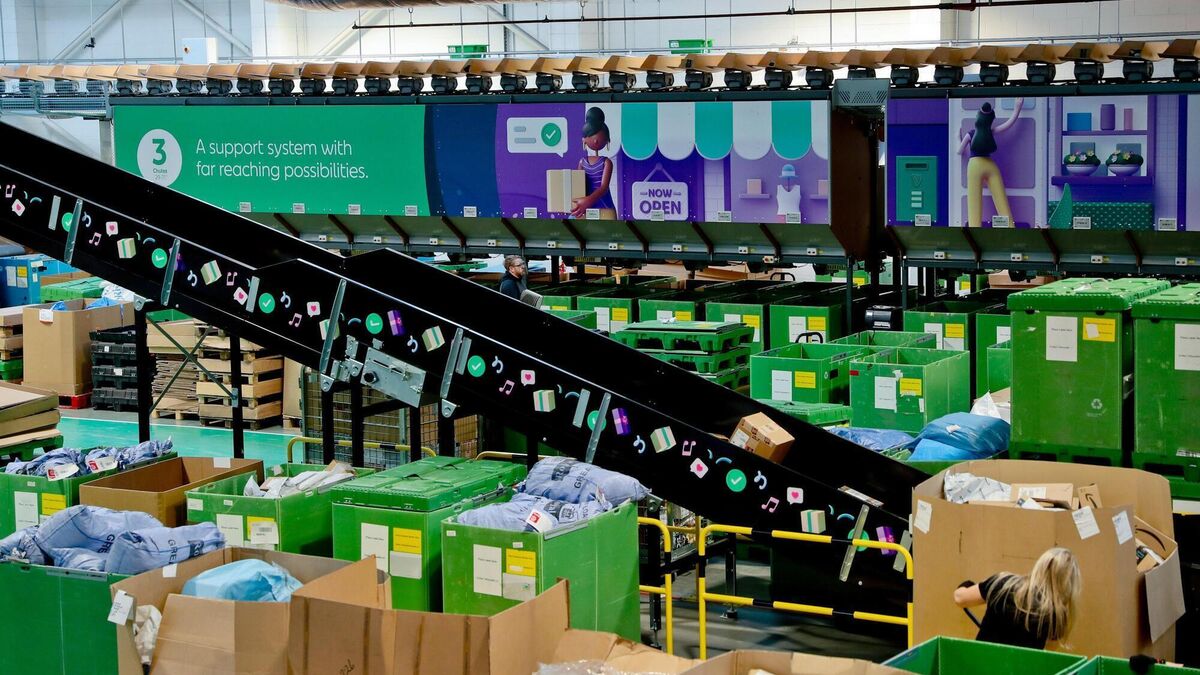
The new ‘Beumer’ Packet Processor which will handle 100,000 items a day in action at the Dublin Mail Centre. Pic Maxwell's
Well… have you written your letter to Santa Claus yet? It’s the question that drifts through homes in late November and early December, carried on whispers of excitement and a little bit of Christmas ritual. In some houses, the letter is written before the Toy Show, carefully folded and filled with hopeful wishes. In others, it waits until after—just in case something wonderful sparkles across the screen and quietly makes its way onto the list. After all, you never know what magic might appear when Christmas is close.
For many children, this may be their first—and perhaps only—experience of letter writing outside of school. They may never know the small thrill of a letter arriving through the door with their name on it. Yes, we still receive post: bills, statements and appointment reminders. But letters? Personal ones? In 2025, the plain old letter has almost become a thing of the past. We don’t really bother with stamps anymore, or envelopes. And if we did, where would you even find them?
Once upon a time, the paper mattered. It might have been Basildon Bond, or perhaps the lighter airmail paper. There were no printed lines—just that darker lined sheet slipped carefully underneath, guiding each word into place. There was a quiet ceremony to it all: choosing the paper, taking the pen, thinking about what to say, folding the page just right before sealing it into an envelope addressed with care.
That world now feels fragile. The letter, it seems, is destined for the past—and perhaps so too the daily visit of the postman. Other countries are already showing us what that future may look like. In Denmark, the state-run postal service will end all letter deliveries by the end of 2025 after a 90 per cent collapse in letter volumes since the turn of the century. Red post boxes are already disappearing from streets, with some destined for museum displays. This Christmas will mark the final posting of cards through that once-vital network. It is a future that Ireland is not immune from.
Ireland is not Denmark, but the trends are familiar. An Post has been frank about the pressures facing letter delivery. In announcing recent stamp price increases, the company said they reflect “a continuing fall in the volume of letters being posted.” In fact, An Post has noted that letter volumes have fallen by around 50 per cent over the past decade.
The economics are unforgiving. As An Post has explained, “Whether a postman or postwoman is delivering three letters to your home or one, our costs remain the same, but our revenue is actually down.” The network still has to exist, even when fewer envelopes pass through it. As volumes fall, prices rise.
An Post insists it remains committed to the universal service. “The price changes will cover the cost of providing a world-class national letter service to every address,” it has said. But even in that reassurance lies an unspoken truth: the service survives by charging more for something fewer people use.
That shift is already visible. Parcels, logistics and e-commerce now dominate the postal landscape. The green van still calls, but it is more likely to bring a box than a letter. Across Europe, postal operators are reshaping themselves around deliveries driven by online shopping rather than handwritten correspondence.
In many rural areas, the postman remains the only daily visitor. For some older people, it is the postman who checks the gate, the dog, and the house.
Which raises the uncomfortable question: are the days of the daily postman numbered? Will five-day-a-week delivery continue to make sense as letters become rarer? Or will the postman, like the letter itself, become an occasional visitor rather than a fixture of daily life?
Something more than convenience is at stake. The letter was never just about delivery. It slowed us down. It forced us to think before we spoke. A letter carried weight because it carried effort.
That is why a child’s letter to Santa still feels so special. In a world of taps and swipes, it remains a small act of wonder—written by hand, sent with hope, and trusted to make its way through the world. It may be one of the last times many children ever write a letter at all.
And maybe that is why the possible loss of the daily postman is felt so keenly. Because when the stamps and envelopes finally fade into memory, it won’t just be a service we lose. It will be a rhythm, a ritual, and a quiet piece of everyday magic—one that arrived, rain or shine, through the letterbox.