Herald Opinion: Urgent and sustained action needed
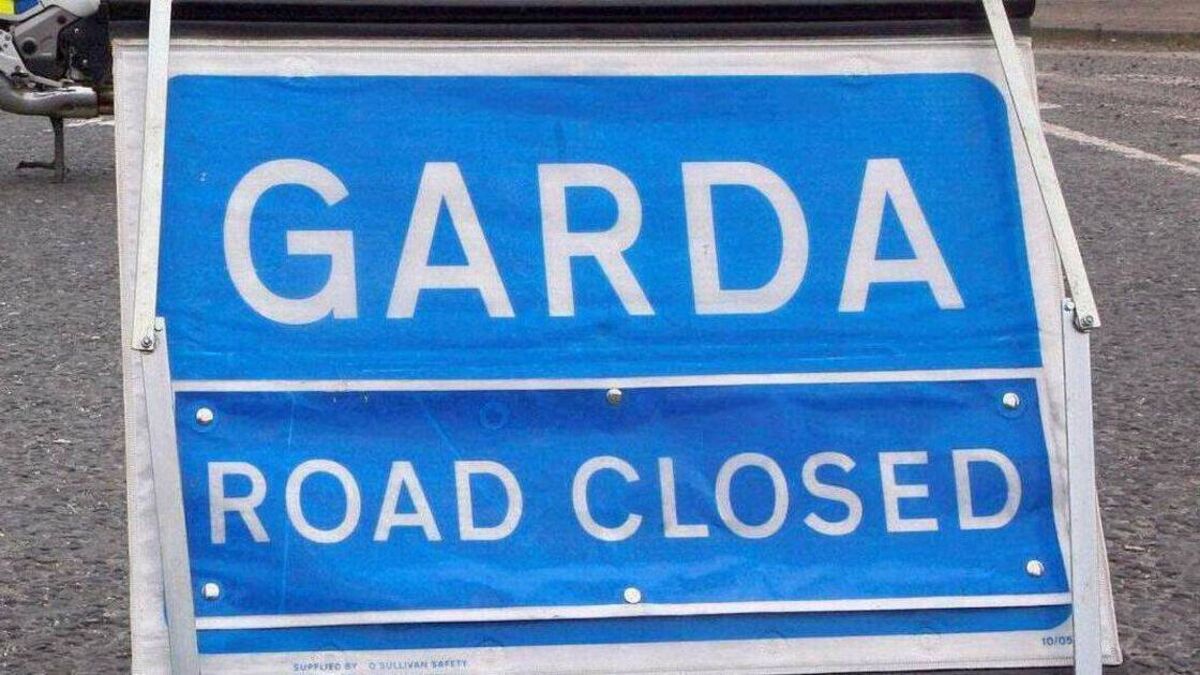
Five people died on County Roscommon roads in 2025.
Five people died on County Roscommon roads in 2025. The provisional road traffic collision figures released last week show a 14% increase in fatalities on Irish roads in 2025.
The report published by the RSA analyses fatalities that occurred on public roads. This report shows that a total of 185 people lost their lives in 174 fatal collisions on public roads during 2025, compared to 171 deaths in 157 fatal collisions in 2024. This represents an increase of 14 fatalities, or an 8% rise, year on year.
The mounting death toll demands urgent and sustained action. Every life lost is not just a statistic but a person with family, friends and a future cut short.
Despite decades of progress in road safety, recent increases in fatalities show that complacency has crept in and that existing measures are no longer enough. If we are serious about road safety, decisive steps must be taken now.
One of the most pressing issues is dangerous driving. Speeding, mobile phone use, drink and drug driving, and failure to wear seatbelts continue to claim lives. A stronger Garda presence on roads and increased checkpoints could act as a deterrent. People are far more likely to change behaviour when they believe they will be held accountable.
Infrastructure also plays a critical role. Many Irish roads, particularly in rural areas, were not designed for modern traffic volumes or speeds. Narrow roads, poor lighting, inadequate footpaths and a lack of safe cycling infrastructure put all road users at risk. Investment in safer road design—such as better signage, improved junctions, traffic calming measures and protected cycle lanes—can dramatically reduce collisions. Designing roads that encourage safer speeds is often more effective than relying on enforcement alone.
Education must be another pillar of the response. Young drivers, who are statistically at higher risk, need better education not only on driving skills but on attitudes, responsibility and the real consequences of poor decisions. At the same time, experienced drivers should be reminded that familiarity with the road does not equal safety.
Ultimately, reducing deaths on Irish roads requires a cultural shift. Road safety must be treated as a shared responsibility, not an inconvenience. Accepting rising fatalities as inevitable is unacceptable. With the right mix of enforcement, infrastructure investment, education and public will, lives can be saved. Doing nothing is a choice—and it is one that costs far too much.