Plan to secure future of historic Castle Island in County Roscommon unveiled
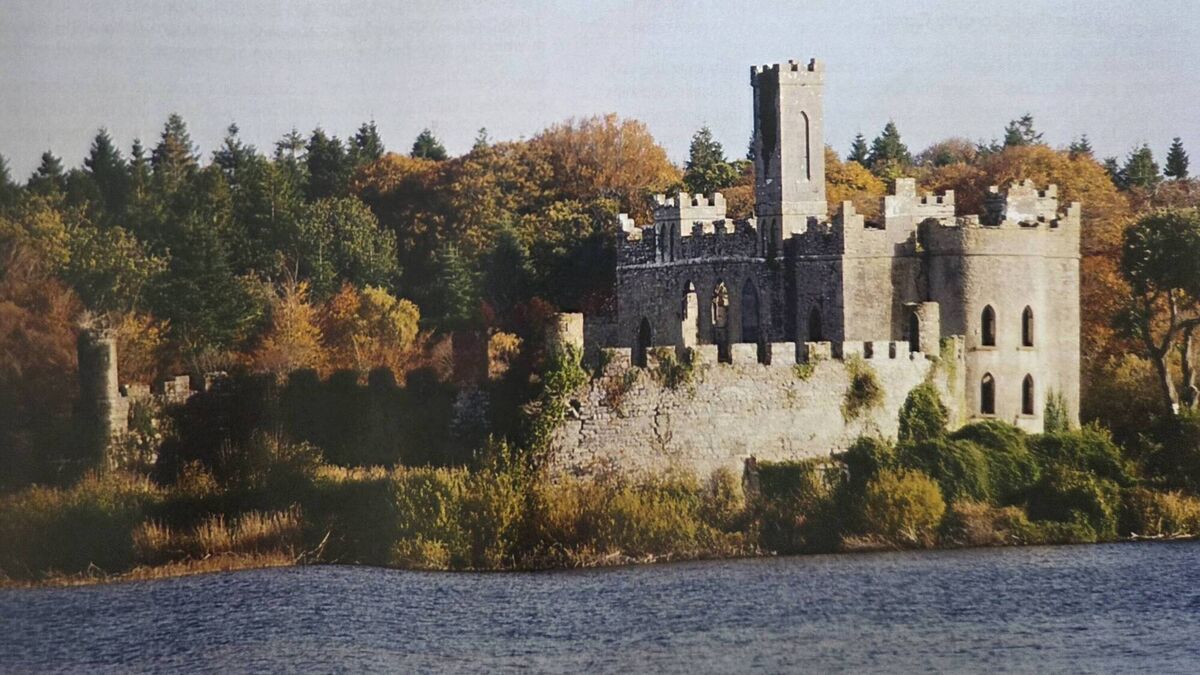
The Conservation Management Plan report states that Castle Island is of exceptional archaeological, historical, architectural and cultural significance.
A major conservation plan aimed at safeguarding one of Roscommon’s most iconic heritage sites has identified urgent repairs and a long-term vision for Castle Island on Lough Key in Boyle, home to the historic ruins commonly known as McDermott’s Castle.
The Conservation Management Plan (CMP), commissioned by island owner Sean Simon and funded through the Community Monuments Fund 2025, sets out a roadmap for the preservation, repair, management and future use of the nationally significant site.
Castle Island near the centre of Lough Key is best known for its dramatic ruins and its centuries-long association with the MacDermot dynasty, Lords of Moylurg.
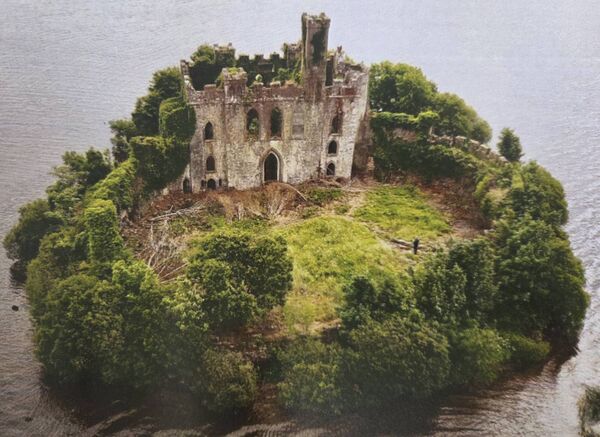
Archaeologists describe it as one of the most important surviving Gaelic lordship centres in Ireland, with evidence of occupation stretching back more than 1,000 years. Recent excavations have uncovered extensive archaeological deposits, including the remains of an early medieval cashel (a circular stone fort), evidence of a catastrophic fire recorded in the annals, and a wealth of artefacts that offer rare insights into elite Gaelic life.
The CMP report states that Castle Island is of exceptional archaeological, historical, architectural and cultural significance, highlighting its role as the principal seat of the MacDermot family and its later transformation into a romantic Gothic folly by renowned architect John Nash in the early 19th century.
However, surveys carried out in 2025 identified serious concerns about the condition of the standing structures. Extensive vegetation growth, unstable masonry, severe cracking, loose stonework and vulnerable chimneys have left significant parts of the ruins at risk of further deterioration or collapse.
To address these threats, the CMP recommends a programme of priority conservation works, including vegetation clearance, structural stabilisation, masonry repairs, wall capping, stitching of cracked masonry and repairs to the island’s jetty. A roof is also proposed for the former kitchen area to provide shelter and storage during conservation works.
The report also outlines measures to improve access to the island, including consideration of a temporary floating pontoon and safer routes for workers and, potentially, future visitors. Any such works would be subject to archaeological supervision and designed to minimise impacts on the monument’s sensitive remains.
Researchers believe every part of the island contains significant archaeological deposits. Excavations between 2019 and 2023 recovered tens of thousands of animal bone fragments, medieval artefacts, and evidence of high-status occupation, reinforcing the site's importance as a key centre of Gaelic power in medieval Ireland.
The work has provided an unprecedented insight into the social, political and cultural world of medieval Ireland.
Looking beyond urgent repairs, the CMP envisages Castle Island becoming a leading cultural and educational resource. Potential future uses include archaeological research and training, guided heritage tours, exhibitions, educational programmes and carefully managed cultural events. The report also highlights opportunities to strengthen links with Lough Key Forest Park and other medieval sites in the region.
Among the key recommendations are the establishment of formal management agreements between the owner, the Office of Public Works and the National Monuments Service, alongside the development of a long-term maintenance strategy and feasibility studies for future uses.
The report concludes that Castle Island is an irreplaceable national monument whose significance continues to grow through ongoing archaeological research. It warns that neglect would result in permanent loss but states that, with careful conservation and management, the island can be protected, better understood and shared with future generations.
The CMF is the culmination of years of work involving a specialist team that included archaeologist Professor Thomas Finan, conservation architects, conservation engineers and ecological experts.
Professor Finan, who is based at St. Louis University in the US, has spent decades researching mediaeval Lough Key and has carried out three years of excavations on the island since 2023.
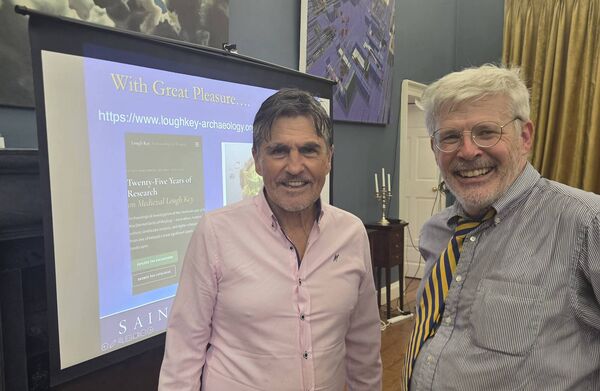
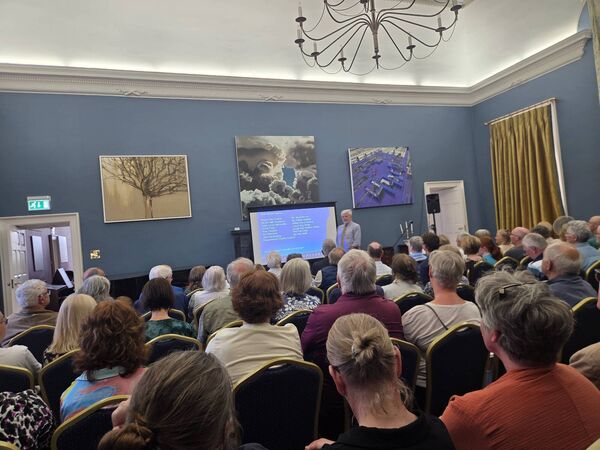
Last week, he delivered a lecture in King House on his and his team’s two decades of archaeological research around Lough Key. Over this time, more 200 students from around the world have worked on these mediaeval sites with more than €600,000 invested in the local economy.
All of Professor Finan’s work can be accessed on the dedicated website - https://www.loughkey-archaeology.org